
Bees need flowers that give them nectar and pollen. Not just any flowers – open, easy-to-reach ones that keep coming back all season.
You don’t need a big garden. A strip of soil, a raised bed or even a few pots on the balcony is enough. Every seed you sow adds another source of food for honey bees, bumblebees and other pollinators.
That’s why we put together the Bee Garden Collection – three simple, reliable mixes that attract bees and bring colour to your space from spring through to autumn.
We offer three bee-friendly mixes:
- Buzzing Blooms – Phacelia & Borage Mix – A fast-growing mix of purple-blue flowers that bees and butterflies love. Ideal for a quick, colourful patch.
- Cottage Bloom – Canterbury Bells – Classic bell-shaped flowers in blue, pink and white.
- Sunny Meadow – Drought-Tolerant Perennial Mix – A rich blend of 38 species (mostly perennials) that thrives in sunny, dry spots and keeps flowering for years.
SOW. SNAP. WIN! – Competition Terms
Grow your flowers from the Bee Garden Collection, take a photo or short video of your patch, and you could win a jar of Buzzy Honey Bee honey.
How to enter
- Buy any seeds from the Bee Garden Collection.
- Sow them and grow your flowers.
- Follow us on Instagram: @Buzzy.Honey.Bee
- Post a photo or video of your flower bed, border, pots or the place where you sowed the seeds.
- Tag us in the post and use the hashtag #BeeGardenCollection.
How winners are chosen
There is no random draw. We will look through the entries and pick the photos or videos we like the most.
Prizes
Winners will receive a jar of Buzzy Honey Bee honey.
Notes
- Entries must show flowers grown from Buzzy Honey Bee Bee Garden Collection seeds.
- You can enter with a photo or a short video.
- Make sure your Instagram account is public so we can see the post.
- We will contact winners via Instagram.
How to grow Buzzing Blooms – Phacelia & Borage Mix
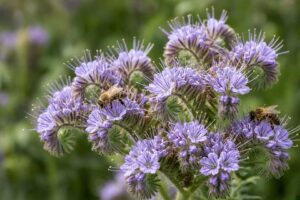
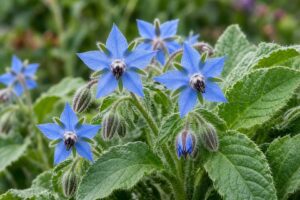
Phacelia and Borage are two of the best annual flowers for bees. Phacelia produces masses of purple-blue flower coils packed with nectar, while Borage has bright blue, star-shaped flowers that refill with nectar throughout the day. Both are fast-growing and very attractive to honey bees, bumblebees and butterflies.
How to sow
- Sow: April–June
- Position: Full sun, well-drained soil
- Flowering: Summer to early autumn
Remove weeds and loosen the soil. Scatter the seeds evenly over the surface, then lightly rake them in to a depth of about 1 cm. Water gently and keep the soil moist until the seeds germinate. Once growing, water during prolonged dry spells. Both plants are easy and will flower in the same year you sow them.
How to grow Cottage Bloom – Canterbury Bells
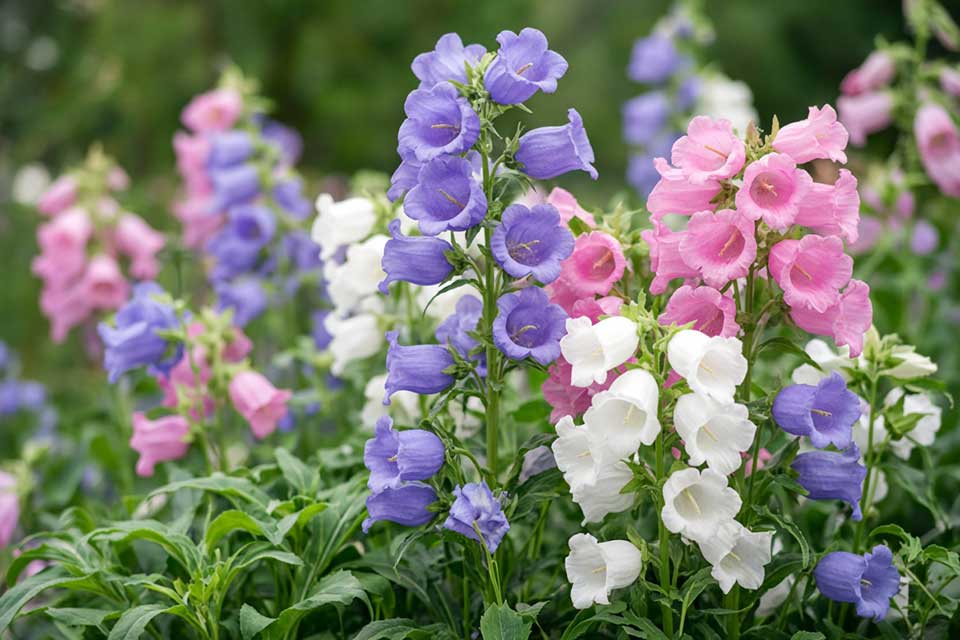
Canterbury Bells (Campanula medium) are classic cottage-garden flowers with tall spikes of beautiful bell-shaped blooms in shades of blue, pink and white. They are biennial, which means they usually grow leaves in the first year and flower in the second year. Bees love the open bells.
How to sow
Sow the seeds thinly on the surface of moist, prepared soil and press them in gently – do not cover them with soil, as they need light to germinate. Keep the soil moist until germination.
Once the seedlings are large enough to handle, thin them or transplant them to about 30 cm apart. They prefer full sun or partial shade and well-drained soil. Water during dry spells. They will usually flower in their second year.
How to grow Sunny Meadow – Drought-Tolerant Perennial Mix
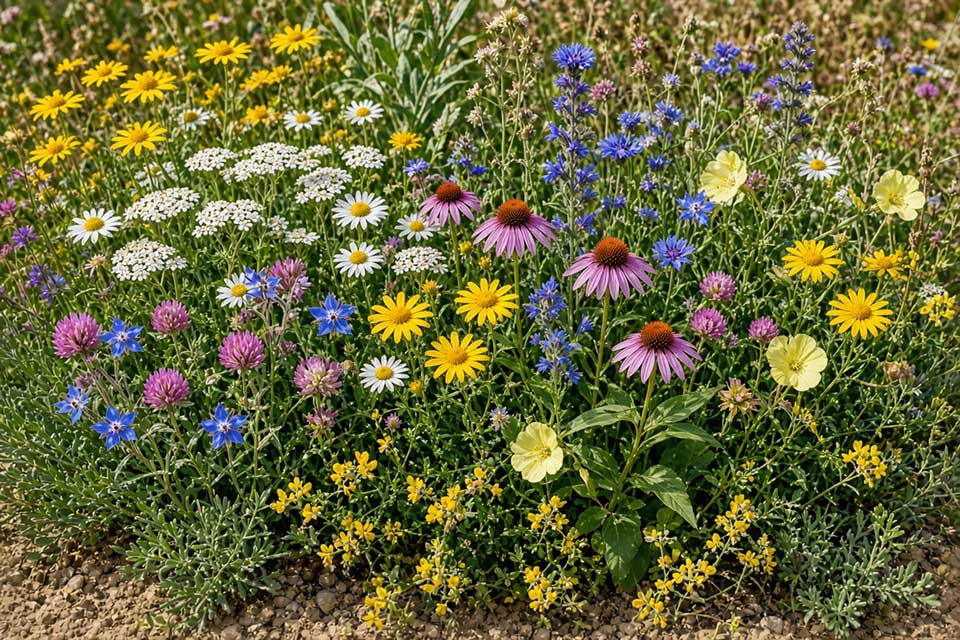
Sunny Meadow is a colourful mix of 38 nectar-rich species (around 70% perennials and 30% annuals). It includes plants such as:
Golden Marguerite, Garden Chervil, Common Yarrow, Borage, Cornflower, Brown Knapweed, Wild Carrot, Carthasian Pink, Oxeye Daisy, Grecian Foxglove, Moldavian Dragonhead, Purple Coneflower, Purple Viper’s Bugloss, Viper’s Bugloss, Corn Marigold, St John’s Wort, Hyssop, Bird’s-foot Trefoil, Lucerne, White Sweet Clover, Yellow Sweet Clover, Missouri Evening Primrose, Common Evening Primrose, Sweet Marjoram, Oregano, Common Poppy, Phacelia, Ribwort Plantain, Common Sage, Woodland Sage, Meadow Clary, Bladder Campion, Betony, Thyme, Red Clover, Great Mullein, Sticky Catchfly, Hairy Vetch.
Once established, the perennial species come back year after year and are especially good for sunny, drier spots.
How to sow
- Sow: March–June or October–November
- Position: Full sun, well-drained soil
- Flowering: June–October
Prepare the soil by removing weeds and raking it to a fine tilth. Scatter the seeds thinly over the surface and press them in gently (most of these seeds should not be buried deeply). Water carefully and keep the area moist until germination.
In the first year you will see mostly the annuals flowering. From the second year onwards the perennials take over and the meadow becomes richer. Once established it needs very little care – just water in very dry periods.

