Has your beautiful jar of raw honey turned thick, grainy or completely solid? Don’t panic – and please don’t reach for the microwave.
Crystallisation is completely natural and one of the best signs that your honey is pure and unprocessed. The real question is: how do you turn it back into smooth, pourable liquid without damaging the enzymes, pollen and delicate flavour that make real British honey special?
In this complete guide you’ll learn exactly how to decrystallize honey the safe way, why it happens in the first place, the temperatures you must never exceed, and the methods that protect everything that makes local raw honey worth buying.
Why Does Honey Crystallise in the First Place?
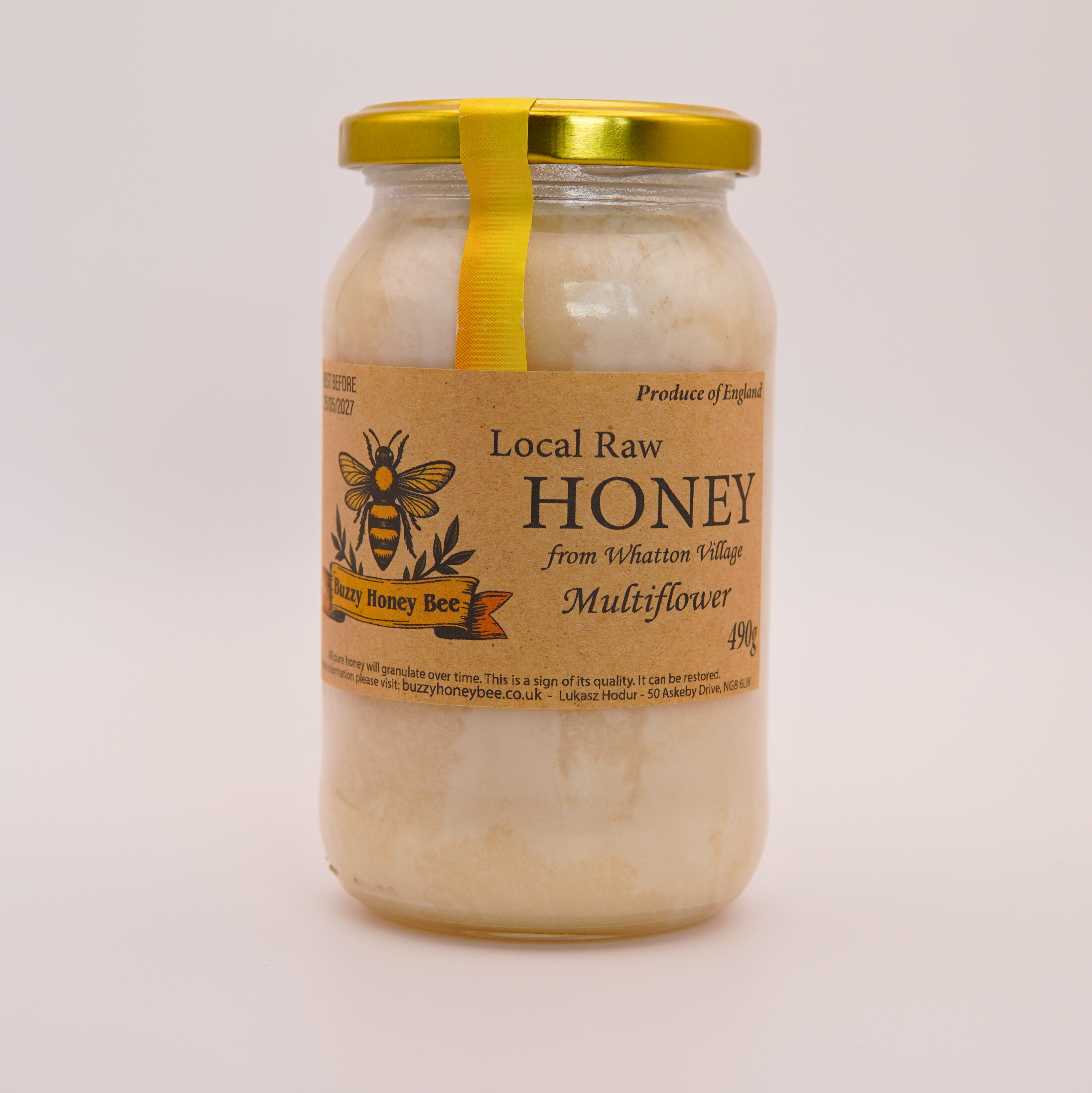
Honey is a supersaturated solution of sugars (mainly glucose and fructose) in a small amount of water. Over time, the glucose naturally forms crystals. This process is faster when:
- The honey is high in glucose (many British multiflower and oilseed-rape honeys crystallise quickly)
- Temperatures sit between 10–15 °C
- Tiny particles such as pollen or beeswax act as “seeds” for crystals to grow around
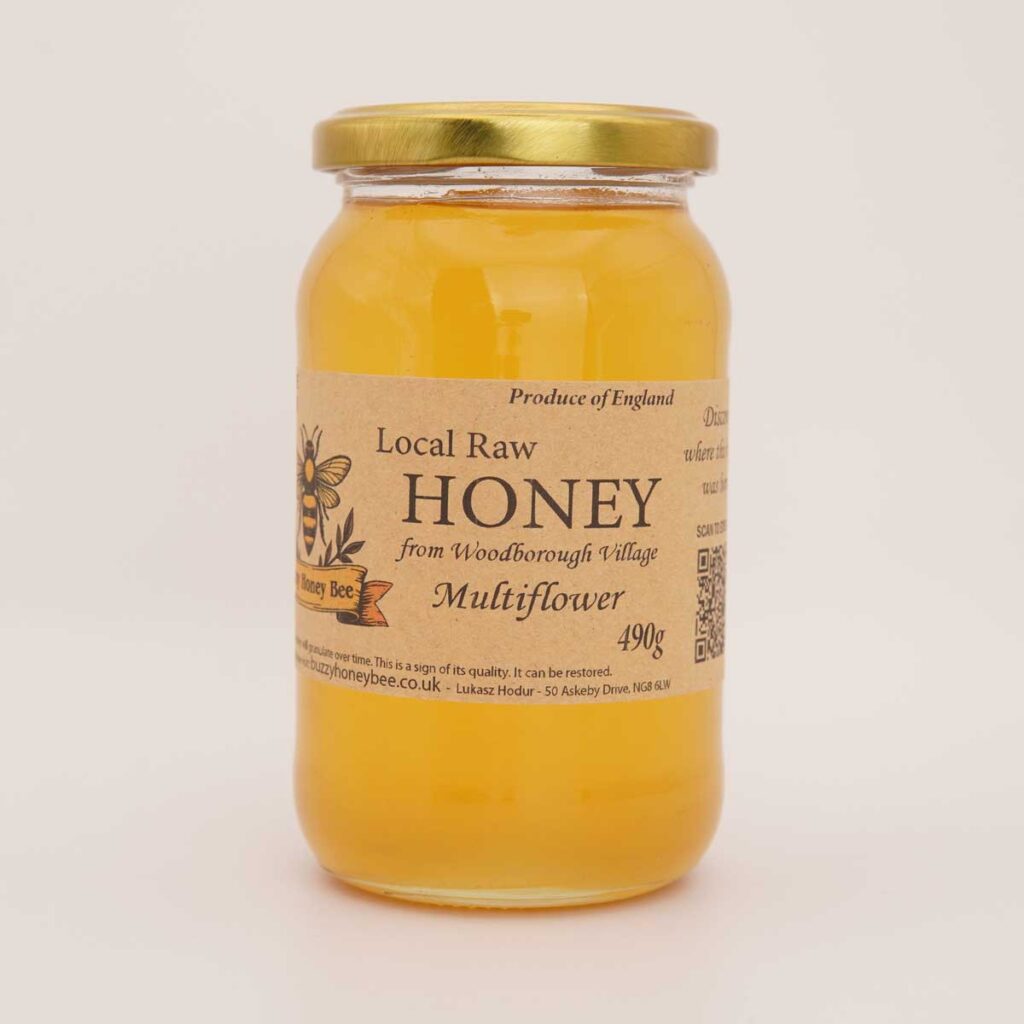
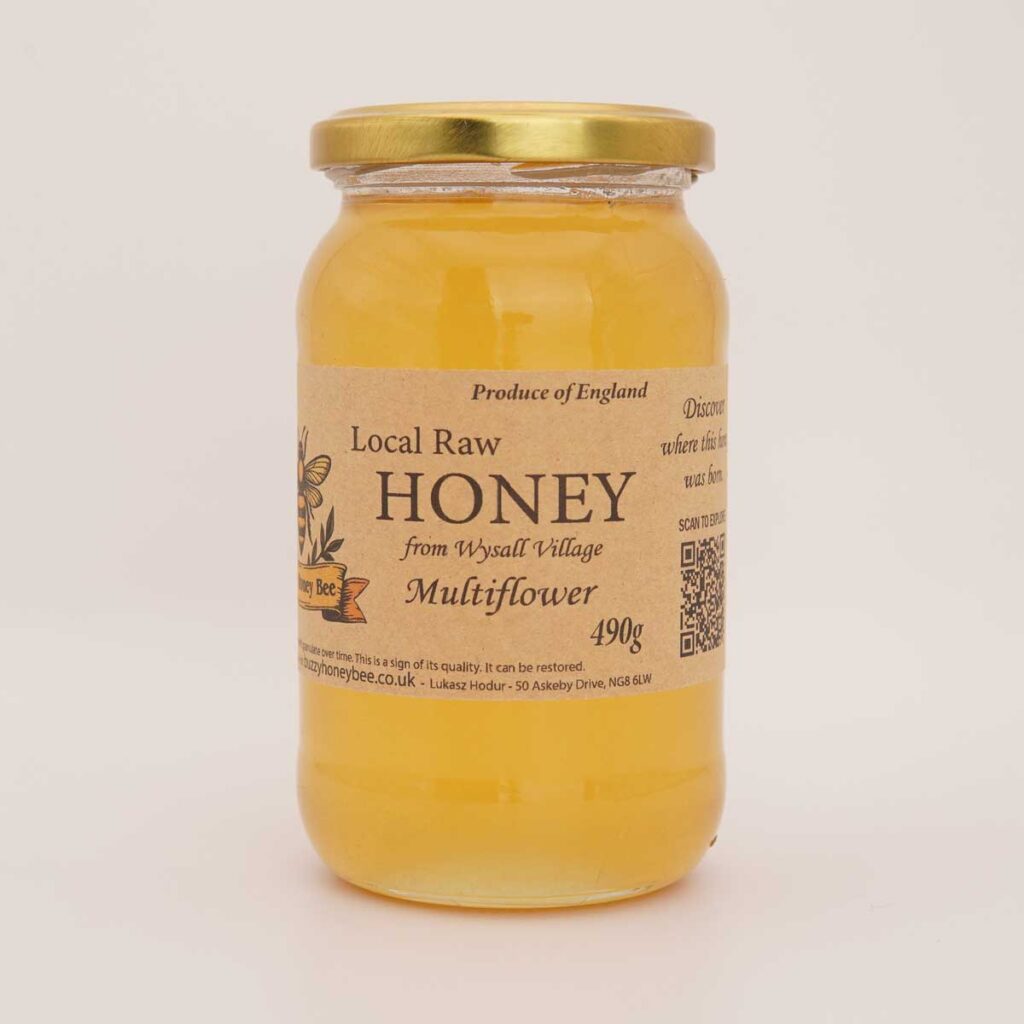
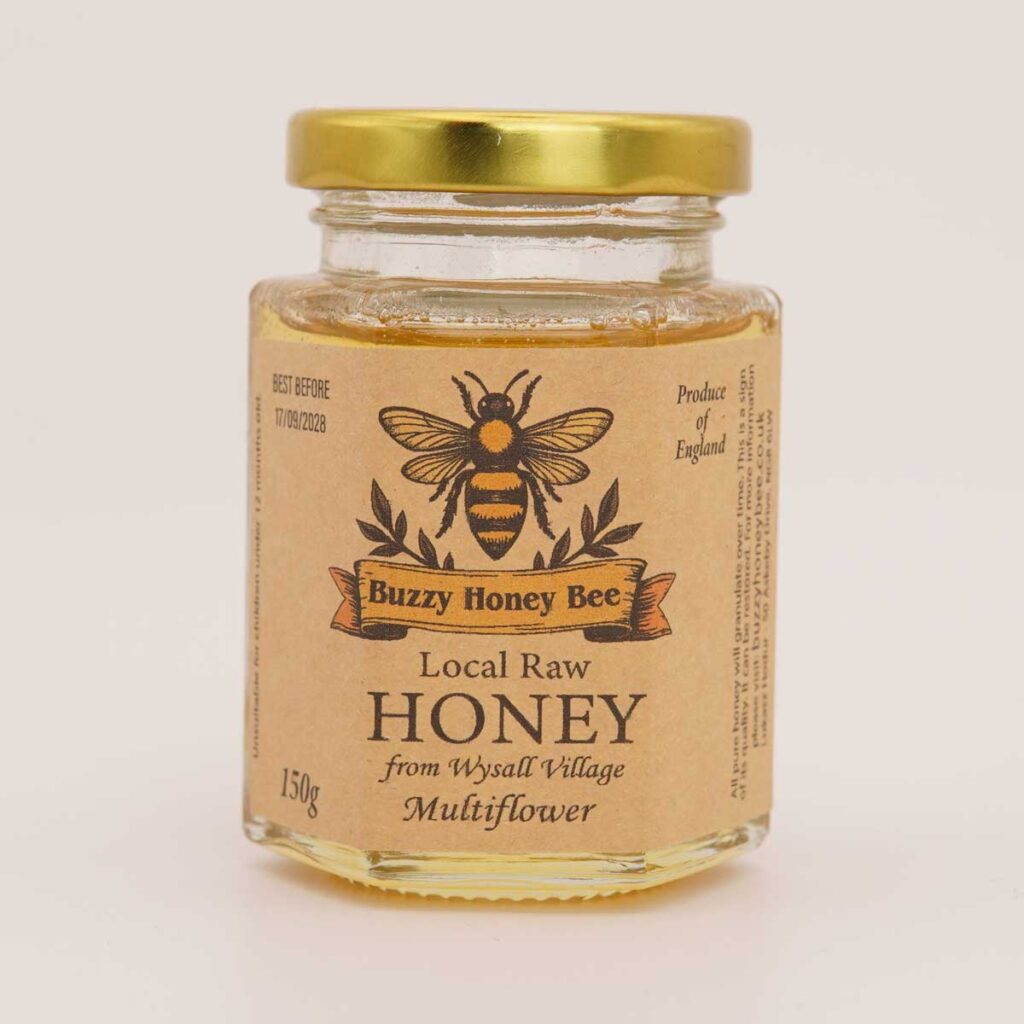
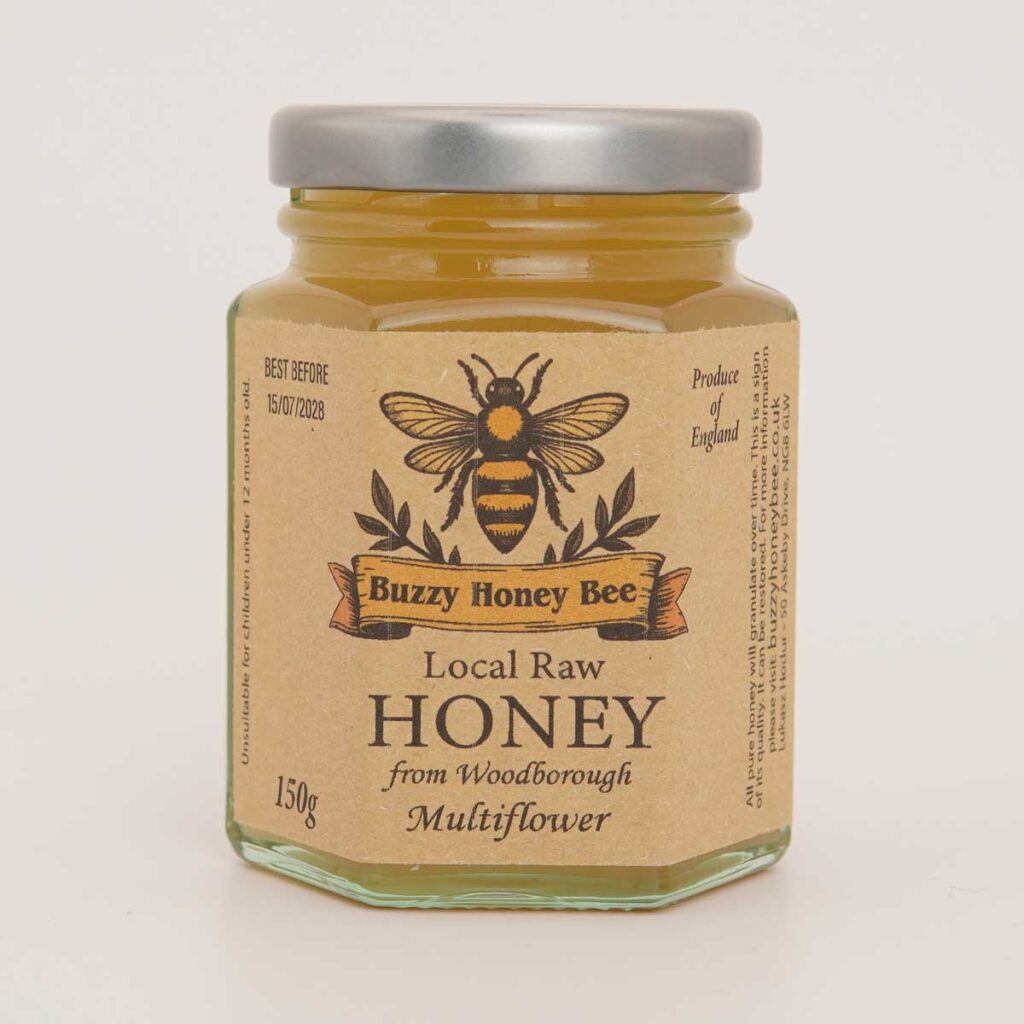
Far from being a fault, crystallisation is proof that nothing has been heavily filtered or heated. Our raw set honeys from Oakwood, Strelley, Whatton and Wysall villages crystallise because they are genuine, unpasteurised and full of natural goodness.
The Only Safe Way to Decrystallize Honey
The golden rule is simple: never heat honey above 40 °C if you want to keep its enzymes and antibacterial properties intact.
Here is the exact method we recommend (and use ourselves):
- Keep the lid on the jar (this stops water getting in).
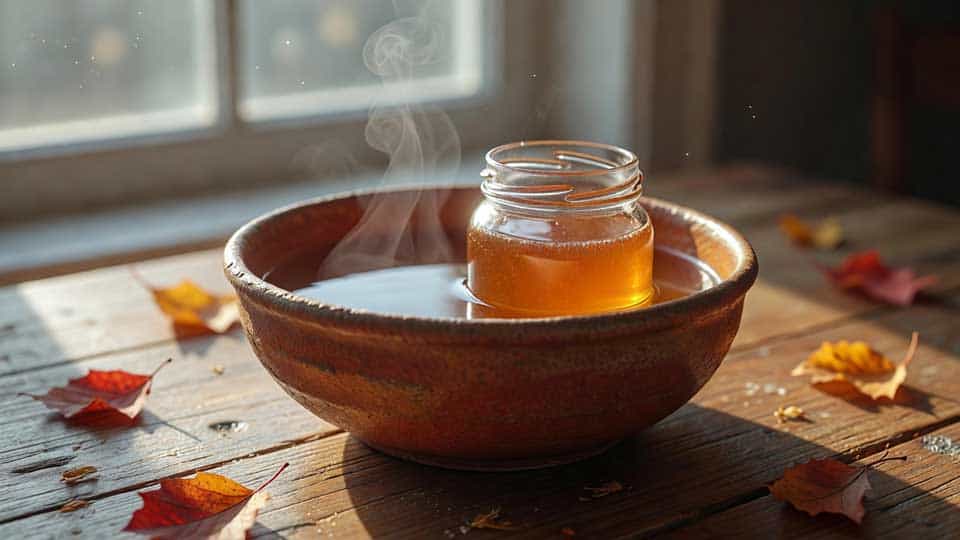
- Place the jar in a bowl or saucepan of warm water.
- The water temperature should feel comfortably warm to your hand – ideally 35–40 °C. Never hotter than 42 °C.
- Leave it for 15–30 minutes, swirling the jar gently every few minutes so the heat reaches the centre.
- If needed, refresh the warm water once or twice.
- Once the crystals have melted, remove the jar, dry it, and store it at room temperature.
That’s it. No special equipment, no risk of ruining the honey.
For a deeper look at temperature effects, see our article on how heat damages honey quality.
Methods You Must Avoid
- Microwave – creates hot spots that destroy enzymes and can even scorch the honey.
- Direct heat on the hob – temperature rises too quickly and unevenly.
- Boiling water or water above 50 °C – turns your raw honey into little more than a sweet syrup.
- Leaving the jar in a very hot car or on a radiator – still too aggressive for long periods.
If you’ve ever wondered why some people say “never heat honey”, this is the reason. The compounds that give raw honey its unique character are heat-sensitive.
How Long Does It Take?
Most jars of local British honey will return to liquid in 20–45 minutes using the warm-water method. Very thick, fully crystallised set honey may need a little longer or a second change of water. Patience is better than higher heat.
Can I Prevent Crystallisation Altogether?
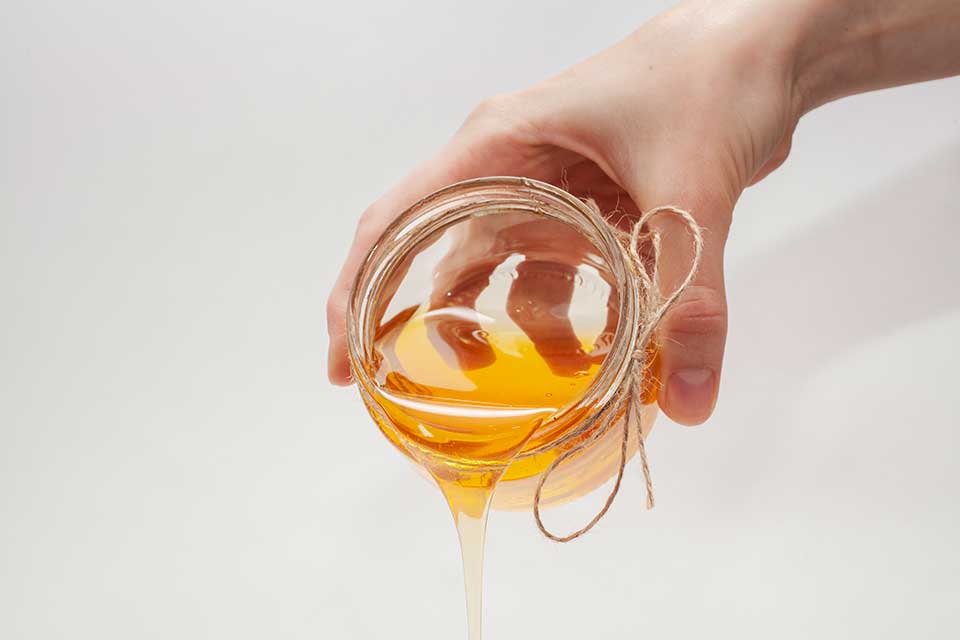
You can slow it down by storing honey at a steady 18–24 °C in a dark cupboard, but you cannot (and should not try to) stop it completely if the honey is genuine and unfiltered. Creamed honey is a clever alternative – we carefully control the crystallisation to create tiny, smooth crystals that stay spreadable for months. Explore our creamed honey range if you prefer a permanently soft texture.
Practical Tips from Our Apiaries
- Only liquefy the amount you require for the next week or two. The rest can stay crystallised – many people actually prefer the spreadable texture on toast.
- Always use glass jars. Plastic can release unwanted compounds when warmed.
- After liquefying, keep the lid tightly closed so moisture cannot enter.
- If your honey crystallises again later, simply repeat the gentle warm-water process – it does no harm when done correctly.
Frequently Asked Questions
Is crystallised honey still safe to eat?
Yes – it is perfectly safe and often more stable than liquid honey.
Does crystallisation mean the honey has gone bad?
No. It is a natural process and a positive quality sign.
What temperature destroys the enzymes in honey?
Above approximately 40–42 °C the most delicate enzymes begin to break down. Higher temperatures cause more damage.
Can I use a slow cooker or yoghurt maker?
Only if you can keep the temperature strictly below 40 °C. Most people find the simple warm-water bath safer and more controllable.
Will the honey crystallise again after I liquefy it?
Yes, eventually – especially if stored in a cool place. This is normal.
Is there a difference between “decrystallize” and “decrystallise”?
Both spellings refer to the same process. The search term “how to decrystallize honey” is the most common worldwide, which is why we use it here alongside British spelling.
Conclusion – Keep Your Honey Real
Knowing how to decrystallize honey properly means you never have to choose between convenience and quality. A simple warm-water bath below 40 °C brings your honey back to liquid form while protecting everything that makes local raw honey special.
Next time your jar sets, you’ll know exactly what to do – and you’ll understand why crystallisation is something to celebrate rather than fear.
Ready to taste honey that crystallises because it’s genuine? Explore our full range of raw and set honeys from Nottinghamshire & Derbyshire villages or browse more practical guides in the Bee Knowledge Hub.
Enjoyed this article? If you’d like to support more honest writing about bees and local honey, you can buy me a coffee here:
Buy Me a Coffee – Buzzy Honey Bee
Your support also helps me continue working with the bees and offering free bee swarm collection.
Of course, the best way to support this small apiary is still by choosing one of the products below.