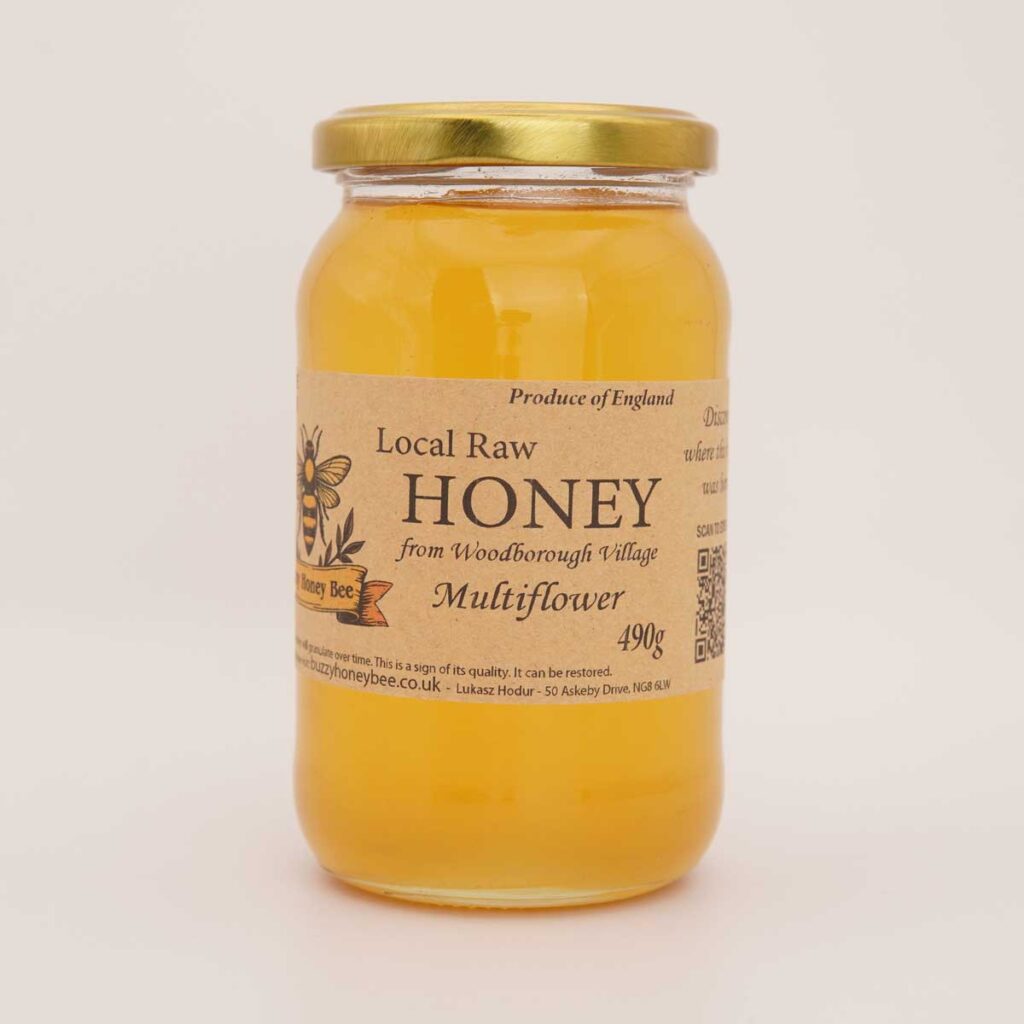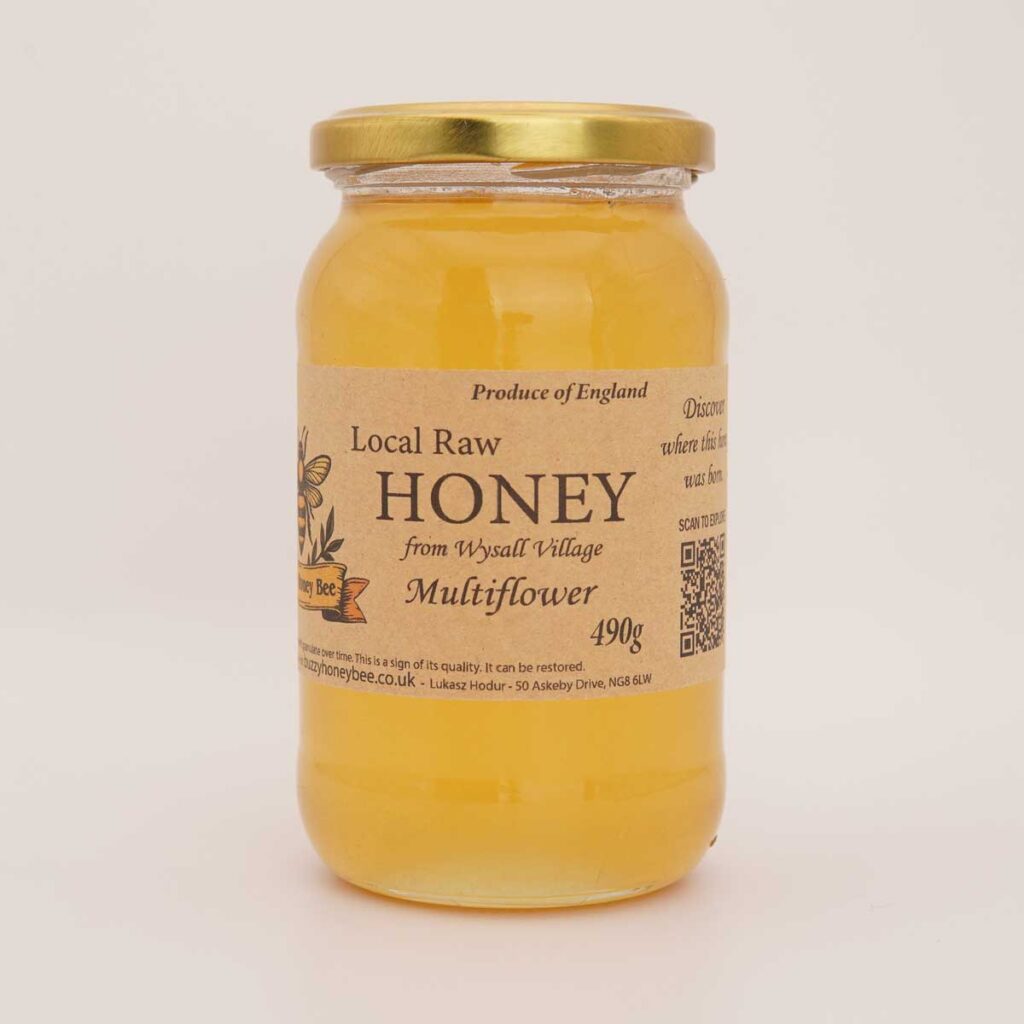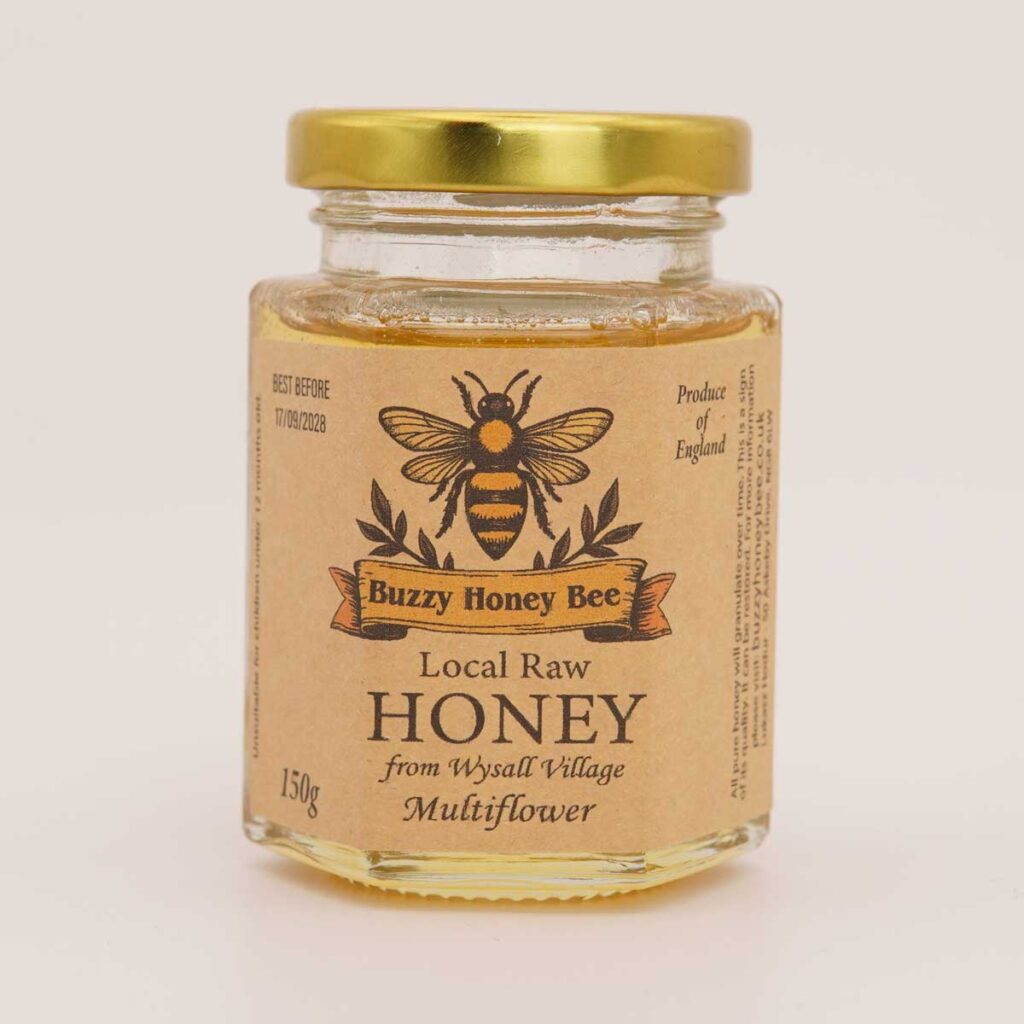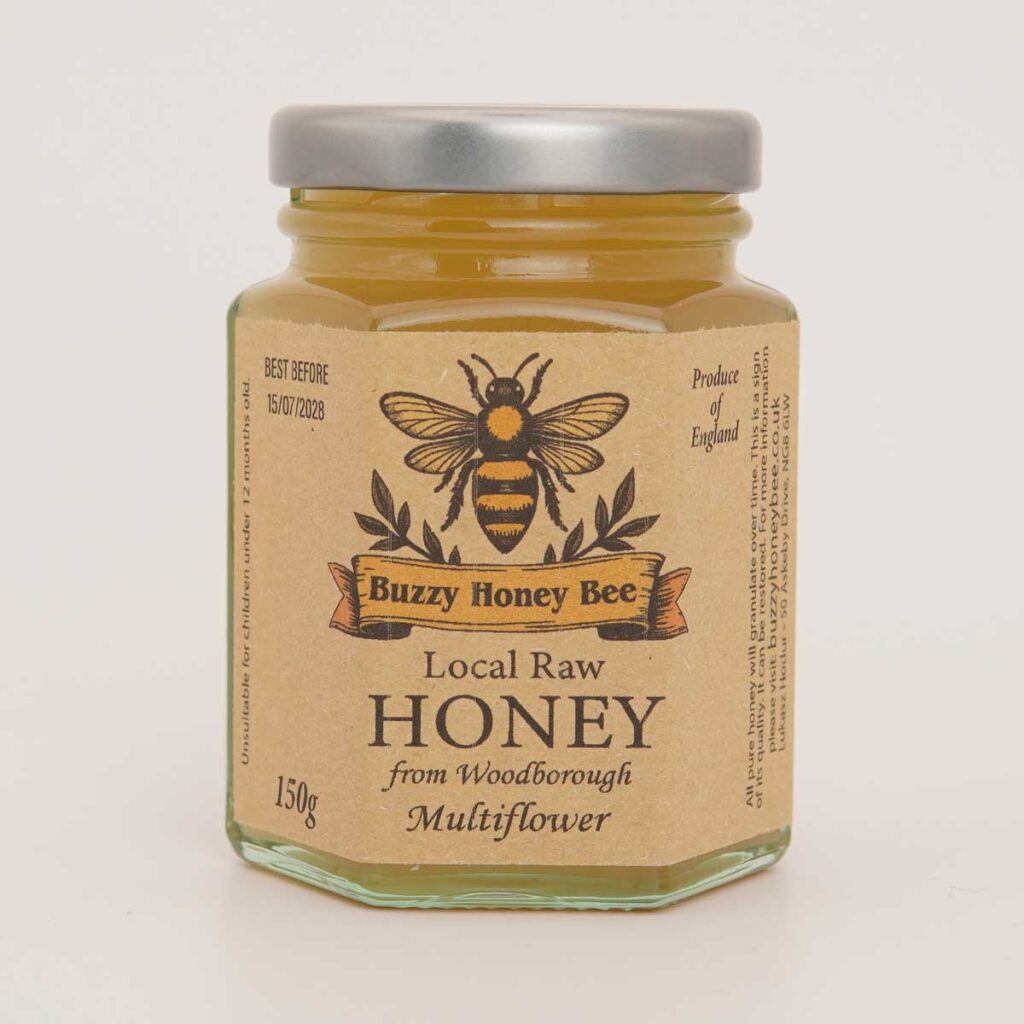
Trace the Story of Your Honey – From the Meadow and Linden Trees to Your Jar
When you scan the QR code on your jar or enter the Best Before date, you land here. This is the full, transparent story of your exact batch of raw honey – single-origin, unblended, and straight from our family apiary in Strelley Village, Nottinghamshire.
This is a genuine post-lime multifloral honey harvested after the main lime (linden) flow in 2025. It captures the full season’s bounty from early spring through the summer blooms following the iconic lime nectar flow.
Harvest Details
- Date: August 2025
- Location: Strelley Village, Nottinghamshire
- Type: Premium Raw Multifloral Honey (post-lime summer harvest)
- Body: Light to medium amber – smooth, complex and beautifully balanced from diverse forage
What the Bees Foraged On in 2025 (Strelley Village)
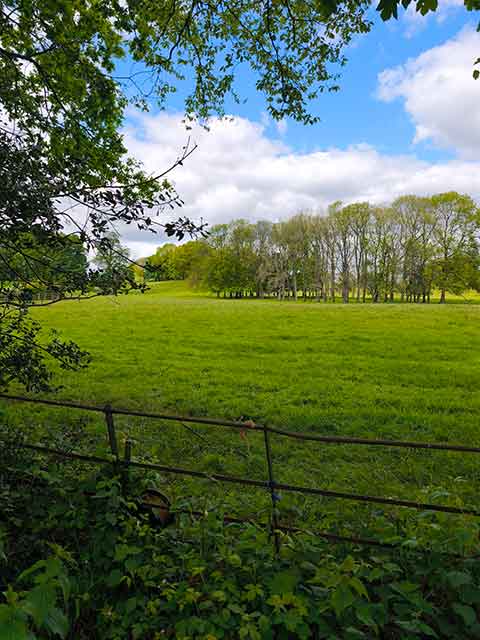
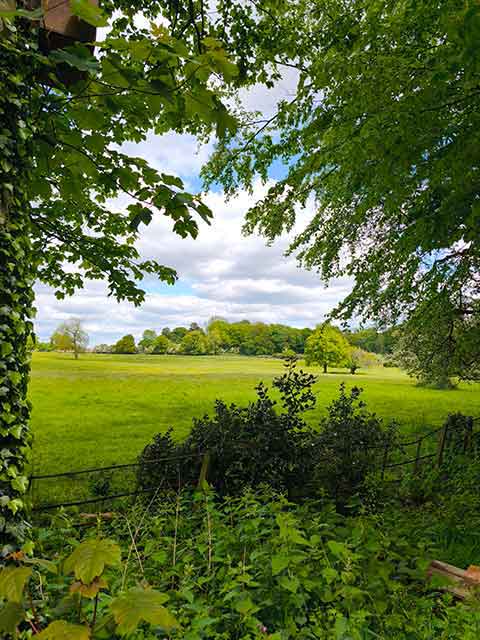
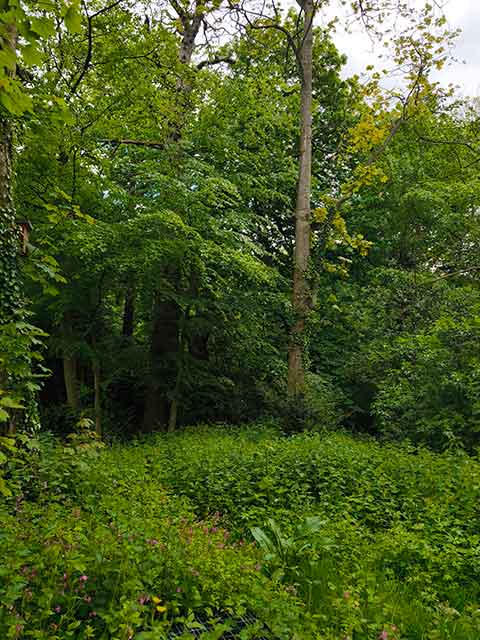
Strelley Village and the surrounding Nottinghamshire countryside provided our bees with a rich variety of nectar and pollen sources throughout the 2025 season. The main early-to-mid summer contribution came from lime trees — iconic for their abundant, fragrant nectar flow, which typically peaks in early to mid-July in the UK. After the lime flow, the bees continued working a diverse mix of wild and garden plants typical of village edges, hedgerows, meadows and local gardens.
- Lime / Linden trees – the standout performer, giving this honey its elegant floral character.
- Dandelions – bright yellow flowers common in meadows and gardens, providing important early and mid-season support.
- White clover – classic summer nectar source in grassy areas and verges.
- Bramble (blackberry) – abundant white-to-pink flowers along hedgerows and field margins.
- Hawthorn – the characteristic white-flowering hedgerow shrub so common in the UK countryside.
- Wildflowers and meadow species – including buttercups, oxeye daisies, knapweed, yarrow and other native blooms.
- Garden flowers – typical cottage-garden and village plants such as lavender, roses, marigolds, foxgloves and other popular bee-friendly flowers grown by local residents.
This natural diversity created a beautifully layered multifloral honey with the refined influence of lime blended into a rich summer profile — a true taste of Nottinghamshire countryside.
Tasting Notes
- Aroma: Delicate floral notes with prominent lime blossom, subtle herbal freshness and light citrus-mint hints.
- Flavour: Starts light and elegantly floral (from the lime influence), then develops gentle herbal and fruity depth with soft malty undertones, finishing with a smooth, clean sweetness.
- Texture: Naturally thick and creamy when set; crystallises slowly thanks to the balanced nectar profile from mixed summer forage.
100% Raw & Natural — unpasteurised, coarsely strained only. All enzymes, pollen, antioxidants, propolis traces and natural goodness preserved.
Why Customers Love This Strelley Village Honey
- Full traceability to one specific Nottinghamshire village apiary.
- Local pollen from Strelley and surrounding areas – many use it for seasonal allergy support.
- Unique 2025 character influenced by the strong lime flow followed by diverse summer forage.
- Small-batch, family-produced in the UK – supporting local bees and biodiversity.
- True raw multifloral honey with the essence of Nottinghamshire lime trees.
How to Enjoy This 2025 Post-Lime Harvest
- Thickly spread on fresh sourdough, crumpets or toast.
- Stir into warm (not boiling) tea, herbal infusions or porridge.
- Drizzle over Greek yogurt, granola, or mature cheese.
- Straight from the spoon for a pure taste of Strelley Village and Nottinghamshire countryside.
Limited Edition – This 2025 Strelley Village post-lime multifloral harvest is available while stocks last.
Browse more single-origin raw honeys from our family apiaries in Derbyshire & Nottinghamshire →
Frequently Asked Questions
Is this raw honey unpasteurised?
Yes. Our honey is never heated or pasteurised. It is only coarsely strained to preserve all natural enzymes, pollen, antioxidants and beneficial properties.
Where is this raw honey produced?
This specific batch comes from our family apiaries in Strelley Village, Nottinghamshire. It was harvested after the 2025 lime flow from hives working the full season’s forage. All our honeys are single-origin and fully traceable.
Is local raw honey good for hay fever?
Many of our customers report that regular consumption of local multifloral honey helps reduce seasonal allergy symptoms. This is likely due to the diverse Nottinghamshire pollen (including from lime and local wildflowers) it contains, which may help the body build tolerance. While scientific evidence is mostly anecdotal, it is a popular natural approach. Not a medicine — consult your doctor if you have severe allergies.
How should raw honey be stored?
Store in a cool, dark place at room temperature (ideally 18–21 °C) in its original jar with a tight lid. Do not refrigerate — it can accelerate crystallisation. Avoid direct sunlight and heat sources.
Why does raw honey crystallize?
Crystallisation is a natural process and a sign of true raw honey. It happens because glucose in the honey forms crystals over time. Our raw multifloral honey can crystallise at a natural rate. It is perfectly safe and easy to decrystallise gently in warm water.
Enjoyed this article? If you’d like to support more honest writing about bees and local honey, you can buy me a coffee here:
Buy Me a Coffee – Buzzy Honey Bee
Your support also helps me continue working with the bees and offering free bee swarm collection.
Of course, the best way to support this small apiary is still by choosing one of the products below.