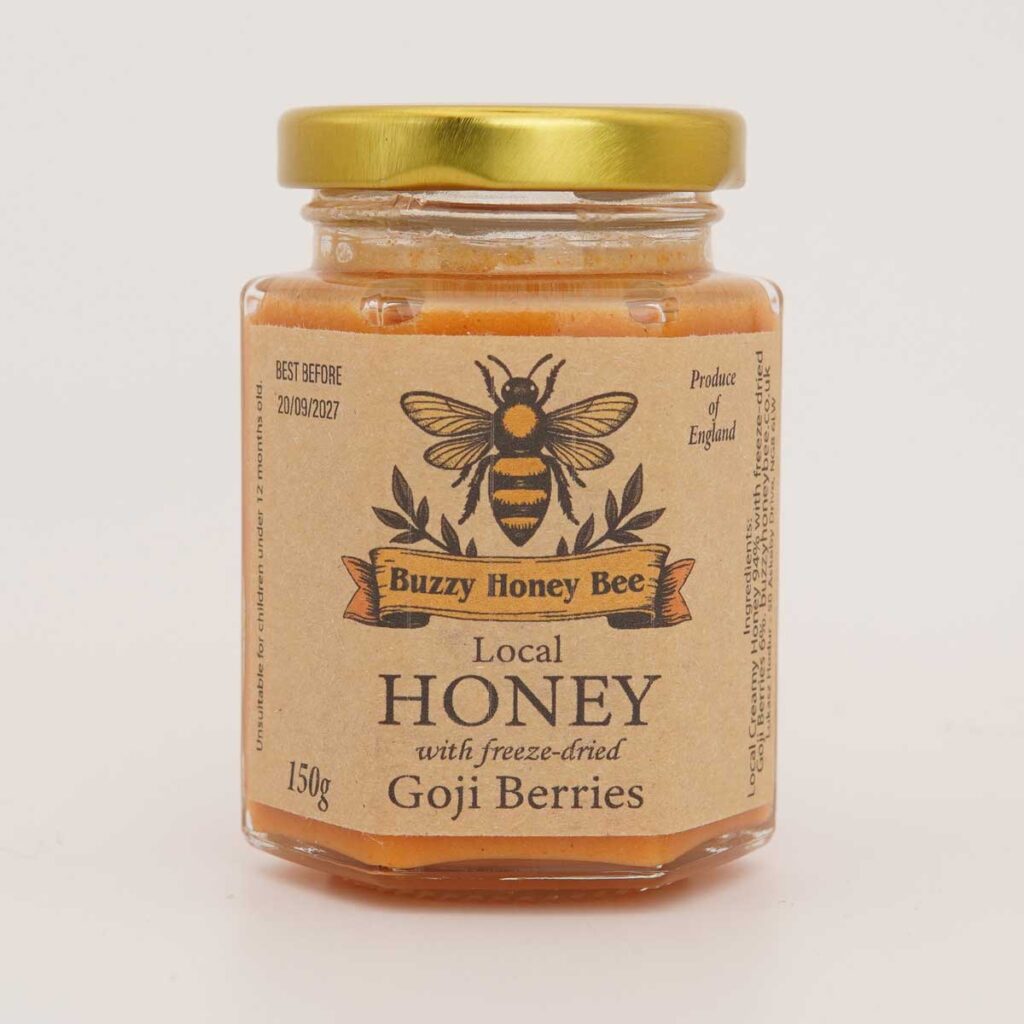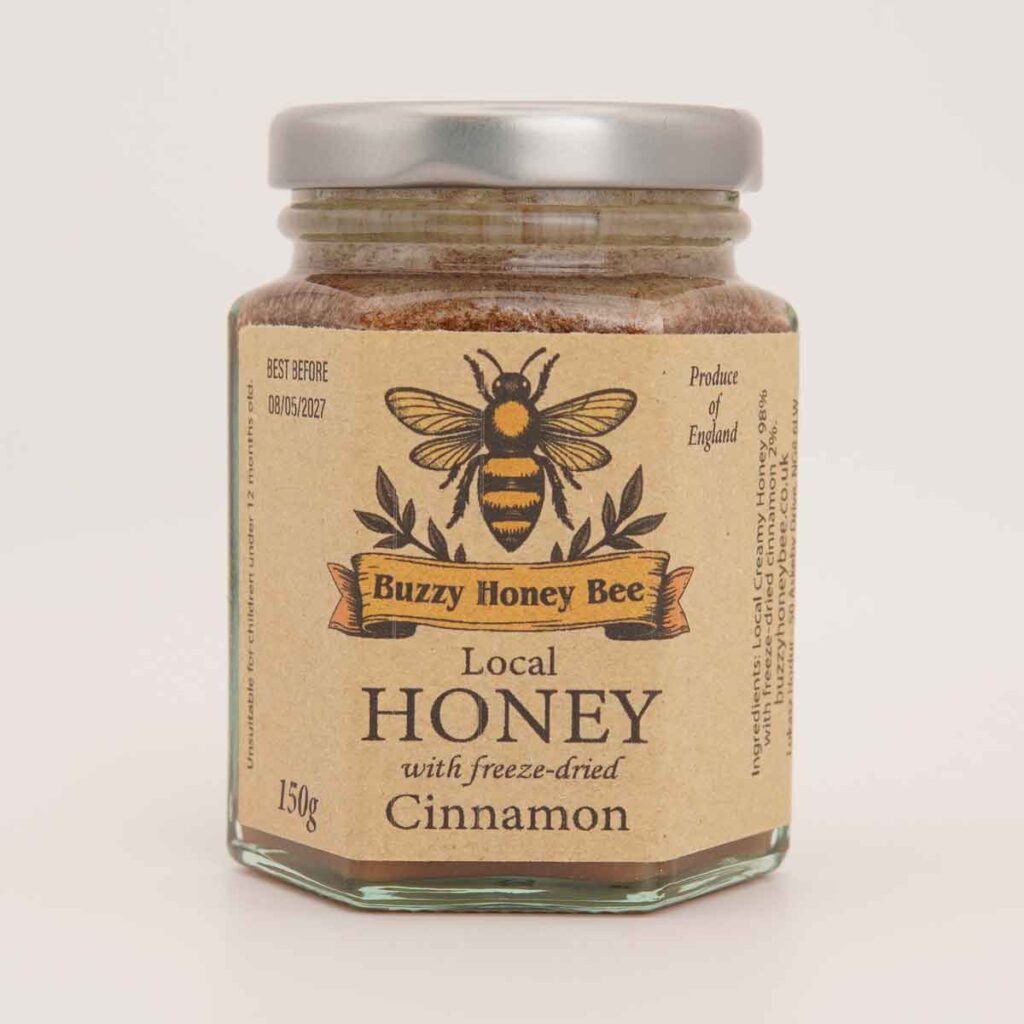
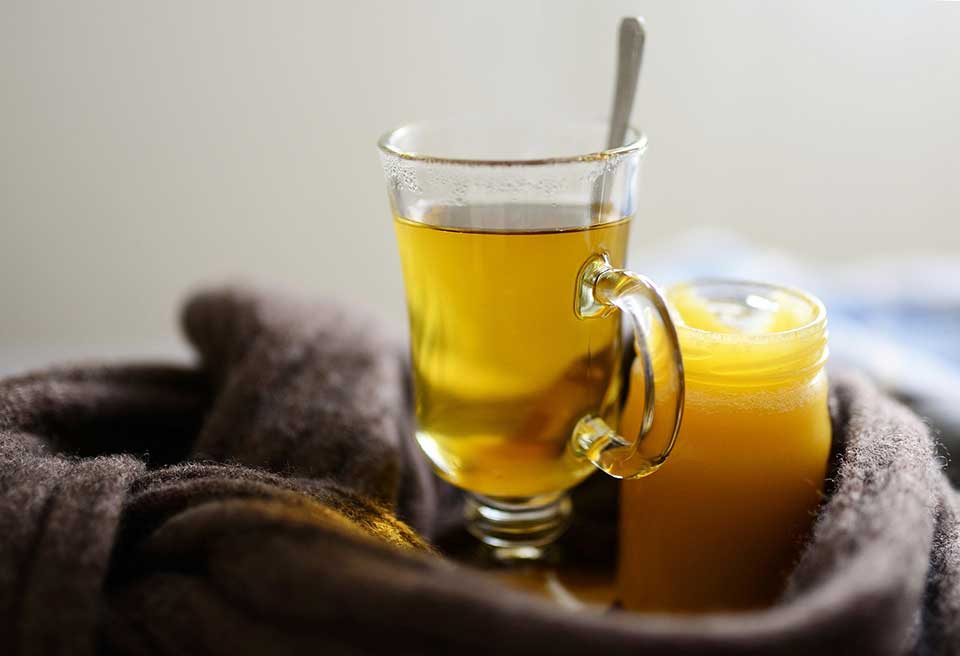
Tea is more than a drink in Britain it’s a cherished ritual. And when you sweeten your tea with local honey instead of sugar, you enhance both the flavour and the nutritional value of your cup. Whether you enjoy robust black tea, calming herbal infusions, or delicate green tea, adding honey like the raw varieties from Buzzy Honey Bee can make every sip more satisfying.
In this article, we explore the many benefits of honey in tea, backed by nutritional insight and practical advice. This guide is ideal for anyone searching for honey Nottingham, honey Derby or high quality raw local honey to enjoy with their favourite brew.
Why Choose Honey Instead of Refined Sugar in Tea?
Honey is a natural sweetener made by bees from nectar. Unlike refined white sugar, which offers empty calories, honey delivers sweetness alongside trace nutrients and plant compounds.
Here’s what makes honey a better choice:
- Natural composition — Honey contains glucose, fructose, enzymes and amino acids.
- Antioxidant content — Especially in darker and raw honeys, these compounds help neutralise free radicals.
- Lower glycaemic effect — While honey still affects blood glucose, its impact is generally gentler than table sugar.
- Richer flavour profile — The taste varies depending on the flowers the nectar was gathered from.
For those swapping sugar for raw local honey in tea, this simple switch is an easy way to improve daily eating habits.
Top Nutritional Benefits of Honey in Tea
1. Antioxidant Support
Honey contains polyphenols — plant based compounds that act as antioxidants. Tea itself also contains antioxidants, such as catechins in green tea and flavonoids in black tea. Combined, they offer complementary support against oxidative stress, which is linked to ageing and long term health.
Darker honeys, including many artisanal varieties from Buzzy Honey Bee, are especially rich in antioxidant substances.
2. Soothing Effects for Sore Throat and Cough
One of the most recognised benefits of honey in tea is its ability to soothe a sore throat. Honey’s texture helps coat irritated mucous membranes, which can ease irritation, and it has mild antimicrobial activity. Warm tea with honey and lemon remains a trusted home remedy during cold seasons across the UK. Many customers seeking honey Nottingham or honey Derby report relying on Buzzy Honey Bee’s local honey throughout winter for throat comfort and minor cough relief.
3. Gentle Source of Energy
Honey’s natural sugars: glucose and fructose offer an energy boost that feels more balanced than refined sugar provides. Glucose is quickly used by the body, while fructose releases energy more slowly. Adding honey to your morning tea can support steady energy without a sudden sugar crash.
4. Digestive Comfort and Prebiotic Potential
Honey has mild prebiotic properties, which means it may feed beneficial bacteria in the gut. While the amount in one cup of tea is small, regular use as part of a healthy diet, especially with herbal teas like ginger or peppermint may support digestion.
How Local Honey Enhances Tea
Using raw local honey from areas such as Nottingham or Derby does far more than simply sweeten your tea it introduces distinctive flavour notes shaped by local flowers, soil and seasonal conditions. This natural variation is what gives quality honey its character and makes it such a versatile companion to tea.
Different floral sources create noticeably different profiles:
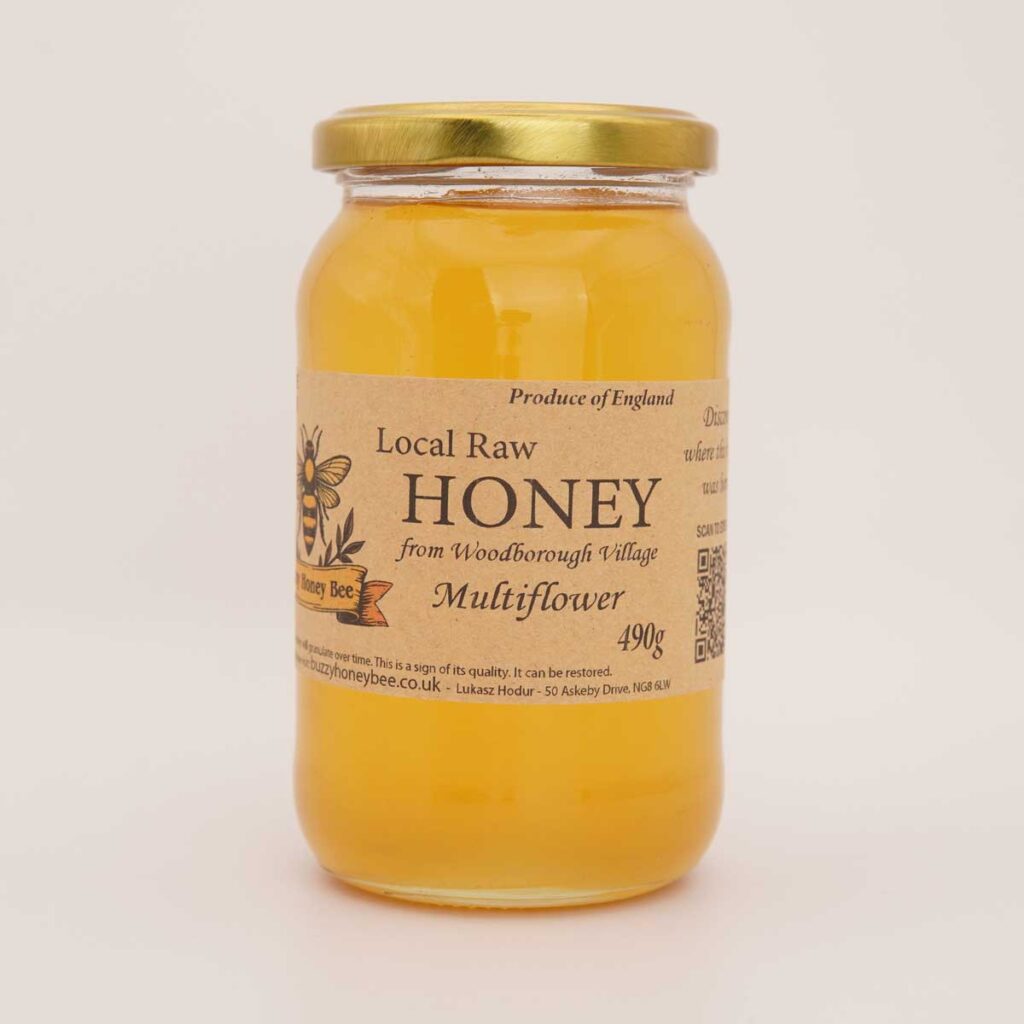
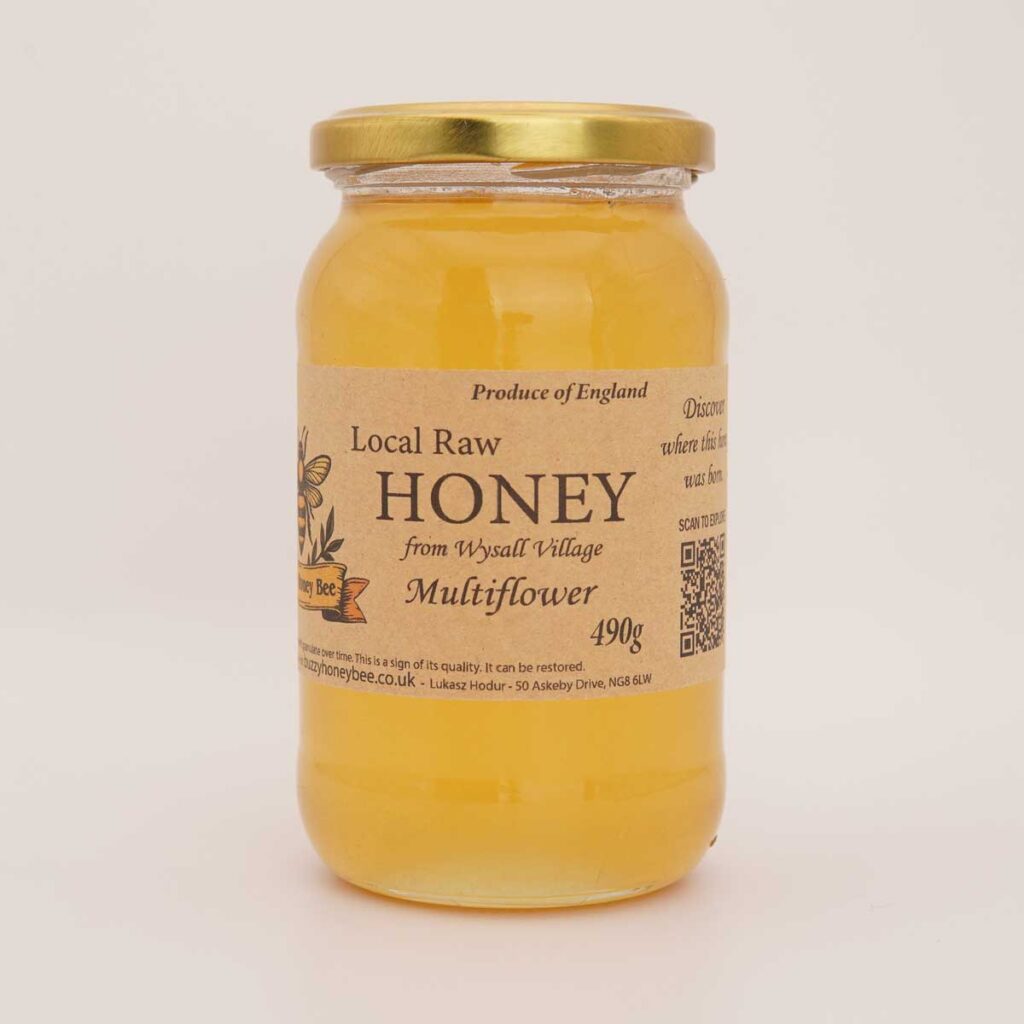
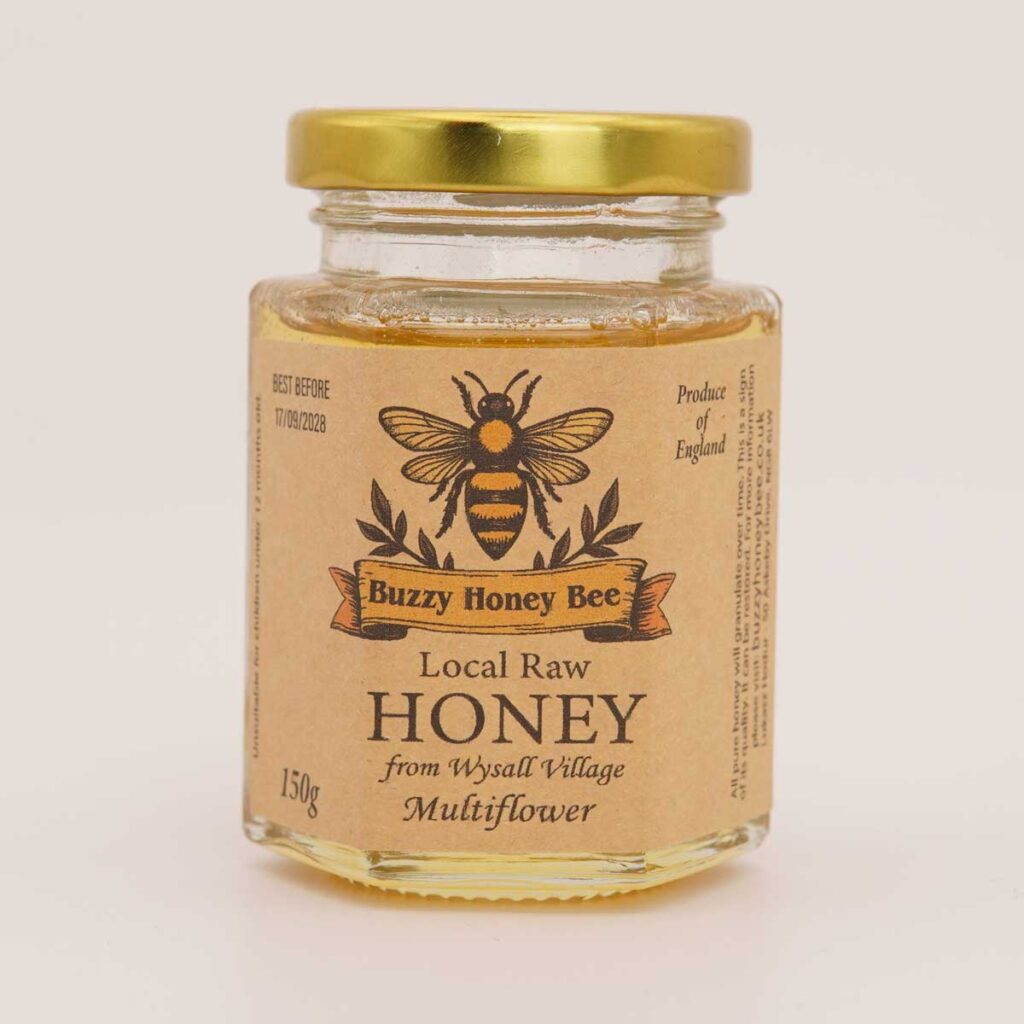
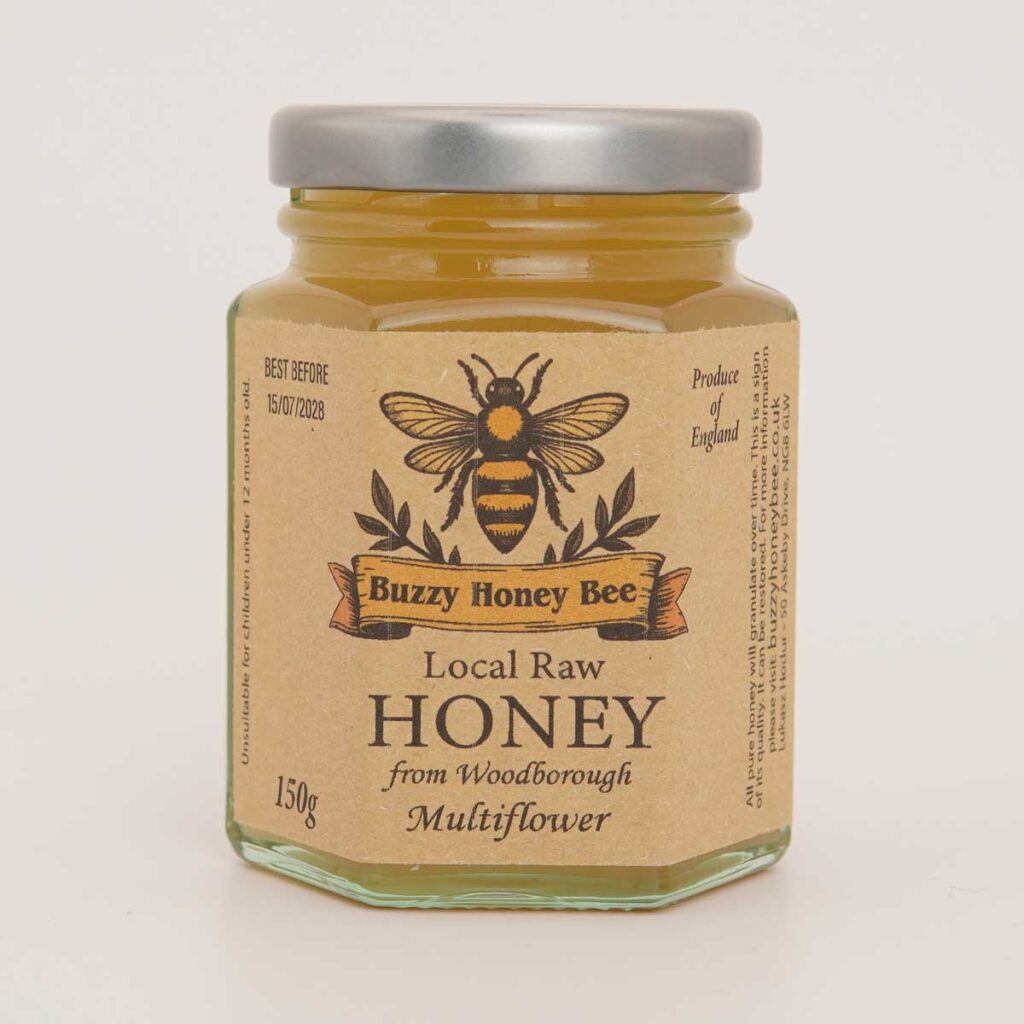
- Multiflower (wildflower) honey — Light, gently floral and versatile, ideal for everyday use.
- Heather honey — Rich, aromatic and slightly earthy, with a bold, lingering finish.
- Linden (lime blossom) honey — Fresh, subtly citrus and delicately herbal.
- Clover honey — Mild, smooth and delicately sweet, perfect when you want sweetness without overpowering the tea.
Pairing Honey with Different Teas
Thoughtful pairing enhances both aroma and taste:
- Strong black teas (such as English Breakfast or Assam) pair beautifully with deeper, more robust honeys like heather.
- Green teas complement lighter, floral honeys that won’t mask their delicate character.
- Herbal infusions — such as chamomile, peppermint, or ginger benefit from milder honeys that support rather than dominate the botanicals.
Artisanal English honeys, including those produced by Buzzy Honey Bee, naturally reflect the landscapes and seasonal blooms of their region. This sense of place not only enriches flavour but also adds authenticity to your daily cup turning a simple tea into a more distinctive and enjoyable experience.
How to Add Honey to Tea the Right Way
To preserve the beneficial qualities of honey:
- Allow freshly boiled water to cool slightly before adding honey.
- Stir honey in at around below 40–45 °C to maintain more of its natural enzymes and antioxidants.
- Avoid microwaving honey, as rapid or uneven heating damage its natural enzymes and alter its flavour.
High temperatures won’t make honey harmful, but they can diminish some of its nutritional benefits.
Honey in Tea and Weight Management
Although honey is a sugar and should be consumed in moderation, it offers some advantages:
- Slightly lower glycaemic index than refined sugar.
- Stronger sweetness means less is often needed, supporting mindful consumption.
- Natural composition may increase satiety.
Replacing sugar with raw local honey like Buzzy Honey Bee’s products can be part of a balanced lifestyle, but total calorie balance remains important.
Local Honey and Seasonal Wellbeing
Many people choose local honey to support seasonal wellbeing. Natural honey contains small amounts of local bee pollen collected by bees from surrounding flowers, and it is frequently used as a natural approach to help manage symptoms such as hay fever.
Choosing honey from Nottingham or Derby also supports regional beekeepers and helps protect biodiversity a significant environmental benefit as pollinators face increasing global challenges.
Choosing the Best Honey for Your Tea
When selecting honey for your tea, not all jars are created equal. What you choose matters not only for flavour and aroma, but also for authenticity, nutritional value and connection to bees and landscape.
Raw Local vs Processed Supermarket Honey
- Raw local honey — This is honey that comes straight from the hive with minimal processing (simply strained through a mesh to remove larger pieces of wax, without fine filtration or intensive heat treatment). Bees naturally add pollen, enzymes and plant compounds, and a true raw honey may appear slightly cloudy or contain tiny particles of wax or pollen, all signs of its natural state and botanical origin.
- Supermarket honey — On the shelf at major retailers, most honey has been intensively processed. It is commonly heated and finely filtered to create a clear, uniform liquid that stays runny and looks the same year-round. Although this makes it convenient, it also removes pollen and can reduce natural enzymes, antioxidants and distinct flavour characteristics that raw honey would otherwise retain.
If you want a deeper discussion about how industrial processing affects honey and what you’re really buying in supermarkets, check out this article: Supermarket Honey in the UK: What Are You Really Buying?
Single-Origin vs Blended Honey for Sweetening Tea
- Single-origin honey comes from one apiary or floral source, giving it a consistent taste and clear connection to place and season.
- Blended honey mixes honey from many regions or floral sources to ensure uniformity and supply, but this also dilutes the unique sensory profile that gives regional honeys their character.
Your tea will benefit more from the unique fingerprint of a single-origin local honey — such as Nottingham or Derby harvests — which helps accentuate and complement different tea styles.
How Honey Influences Colour, Aroma and Taste of Tea
Colour can be a useful guide to flavour intensity:
- Lighter honeys — milder and more floral, ideal with green and white teas.
- Darker honeys — richer and more robust, excellent with strong black teas or spiced blends.
Remember: clarity isn’t always quality. Industrial filtration makes supermarket honey exceptionally clear, but removing pollen also strips many natural flavour compounds.
UK Provenance and Supporting Local Beekeeping
Choosing honey with clear UK provenance such as honey Nottingham, honey Derby or other local UK honeys from Buzzy Honey Bee supports small scale beekeepers and helps sustain bee populations and biodiversity. Local honey connects you directly to your local landscape and seasons, with each harvest reflecting the flowers the bees have visited that year.
Avoid Vague Labelling
Watch out for products with labels like “honey blend” or ambiguous country-of-origin statements such as “EU and non-EU honey.” These often hide a mixture of imported and industrially processed honey that lacks clear traceability.
Frequently Asked Questions
Is honey healthier than sugar in tea?
Honey contains trace nutrients and antioxidants that refined sugar lacks, and has a more complex flavour, but both are sugars and should be enjoyed in moderation.
Can I put honey in boiling tea?
You can, but letting the tea cool slightly preserves more of honey’s beneficial properties.
Does honey in tea help with colds?
Honey may soothe sore throats and reduce cough frequency, especially when combined with warm tea and lemon.
How much honey should I add?
One teaspoon is typically sufficient, honey is naturally sweeter than sugar.
Is local honey better for tea?
Local honey often provides fresher flavour and supports regional beekeepers. Many tea lovers prefer it for both taste and its connection to place.
Adding honey to tea is a simple way to enhance both the taste and functionality of your favourite drink. From antioxidant support to soothing throat relief, honey contributes benefits beyond sweetness alone. Choosing high quality varieties such as the raw local honey products from Buzzy Honey Bee, can elevate your tea ritual and support local beekeeping communities.
Enjoyed this article? If you’d like to support more honest writing about bees and local honey, you can buy me a coffee here:
Buy Me a Coffee – Buzzy Honey Bee
Your support also helps me continue working with the bees and offering free bee swarm collection.
Of course, the best way to support this small apiary is still by choosing one of the products below.