Hay fever, or allergic rhinitis, affects millions across the UK every year. As soon as spring pollen counts climb, countless people find themselves battling sneezing fits, itchy eyes, runny noses, congestion, and that all-too-familiar fatigue. While antihistamines and nasal sprays are the go-to for many, more of us are seeking gentler, natural options. One remedy that keeps coming up is honey for hay fever. But does it actually help, or is it just a comforting old wives’ tale?
At Buzzy Honey Bee, we’ve spoken to hundreds of customers in Nottinghamshire and Derbyshire who swear by a daily spoonful of our raw local honey. We’re not promising miracles – hay fever is complex – but many find real relief when they make high-quality local honey part of their routine. In this guide, we’ll explore the science, the practicalities, and how to give it a proper try.
Why Do People Turn to Honey for Hay Fever Relief?
The theory is beautifully simple and rooted in nature. Raw honey, especially when produced locally, contains tiny amounts of pollen from the plants growing in your area. By consuming small, regular doses, your body may gradually become less reactive to those same pollens – a bit like a gentle, everyday form of immunotherapy.
It’s not a new idea. Traditional medicine has used honey for centuries to soothe throats, support immunity, and calm inflammation. Modern interest spiked because people wanted something natural that tastes good and doesn’t leave them drowsy like some tablets do.
Key potential benefits people often report include:
- Milder sneezing episodes
- Reduced nasal congestion
- Less throat irritation
- Fewer bad days during peak pollen
- Better overall energy and resilience
Of course, results vary. What works wonderfully for one person might be subtler for another. That’s why we always encourage trying it consistently for several weeks.
The Importance of Local Raw Honey for Allergies
Not all honey is created equal when it comes to seasonal support. Supermarket “pure honey” is often heated, filtered, and blended from multiple countries. Much of the pollen and delicate enzymes disappear in processing.
Raw, unpasteurised local honey retains:
- Traces of local pollen
- Natural enzymes
- Antioxidants and flavonoids
- Antibacterial compounds
Bees foraging within a few miles of your home collect pollen from the very grasses, trees, and wildflowers that trigger your symptoms. That’s why customers in the East Midlands often ask specifically for our Nottingham or Derby area multifloral honeys.
What Does the Science Actually Say About Honey and Hay Fever?
The evidence is mixed – that’s the honest answer. Some studies show promising results. A randomised trial using Malaysian Tualang honey found significant improvement in allergic rhinitis symptoms, with benefits lasting even after stopping.
Other research, including a well-known Connecticut study, found no extra benefit over placebo. Reviews often note small sample sizes and varying honey types, making firm conclusions difficult.
What we do know for sure is that raw honey has proven anti-inflammatory and immune-supporting properties. Even if it doesn’t “cure” hay fever, it can soothe irritated tissues and make the season more bearable – especially when combined with other sensible strategies.
How to Use Honey for Hay Fever – Practical Tips from Real Beekeepers
Start early if you can – ideally 4–6 weeks before your usual symptoms begin. Consistency matters more than quantity.
Simple daily routine many of our customers follow:
- 1–2 teaspoons of raw local honey each morning
- Straight from the spoon, or stirred into warm (not hot) water, herbal tea, or porridge
- Continue throughout the pollen season
Pro tips:
- Avoid boiling water – it destroys enzymes.
- Pair it with a saline nasal rinse in the evening.
- Keep a jar by the kettle as a gentle reminder.
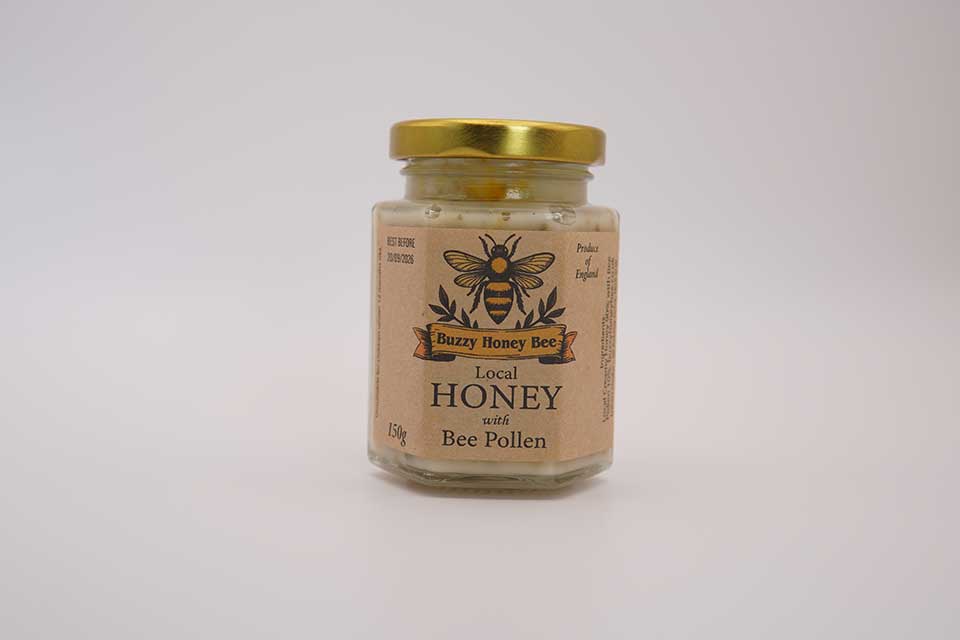
- Try creamed honey with bee pollen for extra nutrients (our customers love the smooth texture).
Many combine honey with nettle tea, quercetin-rich foods, or staying indoors on high-pollen days for better results.
Raw vs Processed Honey – Why Quality Makes All the Difference
| Feature | Raw Local Honey | Processed Supermarket Honey |
|---|---|---|
| Pollen content | Retained | Mostly removed |
| Enzymes & antioxidants | High | Reduced by heat |
| Local plant traces | Yes | Usually blended & imported |
| Texture | May crystallise naturally | Stays runny longer |
| Best for hay fever | Highly recommended | Limited benefit |
Always choose honey labelled “raw” or “unpasteurised” from trusted local beekeepers.
Other Ways Local Honey Supports Your Body in Spring
Beyond potential allergy relief, raw honey offers:
- Natural soothing for sore throats
- Gentle energy without caffeine crashes
- Antioxidants that support overall immunity
- A delicious way to cut down on refined sugar
Our fruit-infused creamed honeys (strawberries or banana, for example) make taking your daily spoonful even more enjoyable.
Who Should Be Cautious?
Honey is safe for most adults, but:
- Never give to children under 1 year (botulism risk)
- Diabetics should monitor blood sugar
- Anyone with severe bee or pollen allergies should introduce very slowly
- Start with half a teaspoon and observe
If you have any concerns, chat with your GP.
Our Recommendation – Try Local Nottinghamshire & Derbyshire Honey
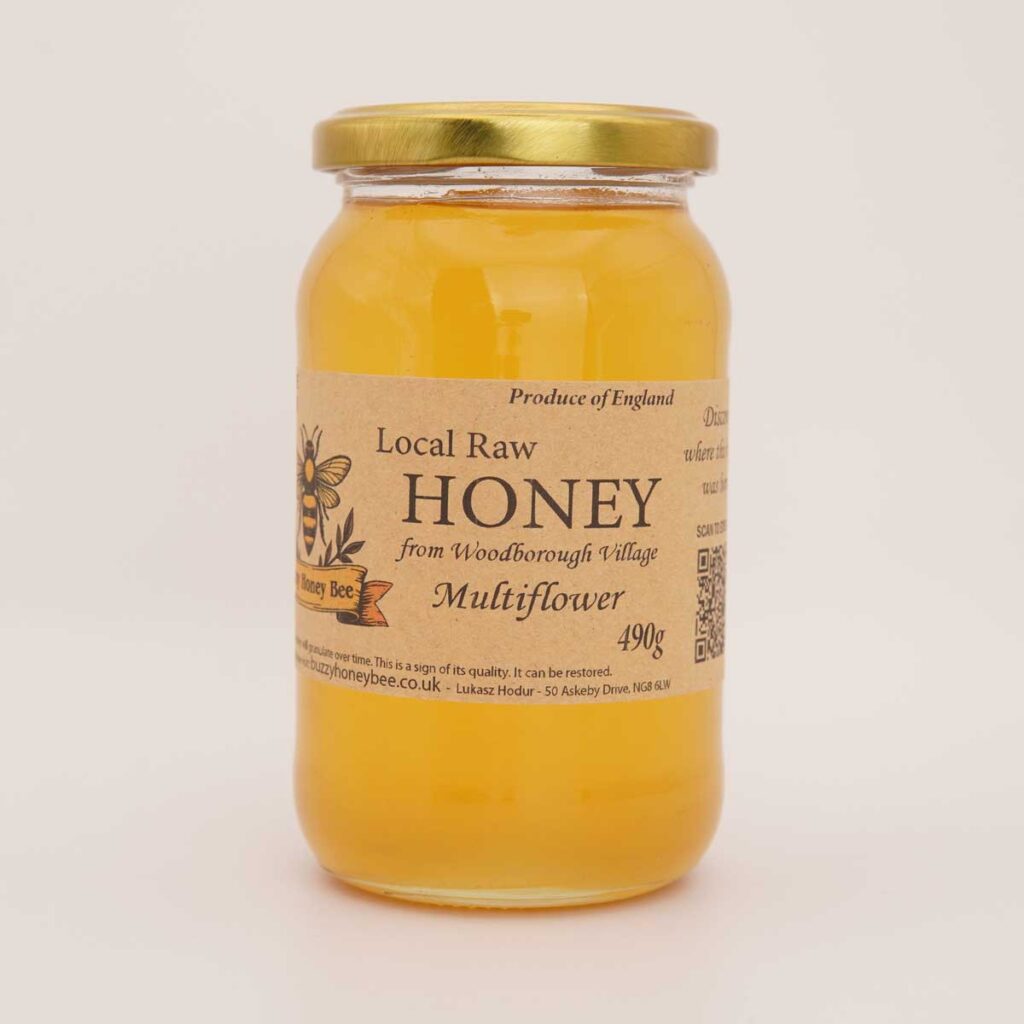
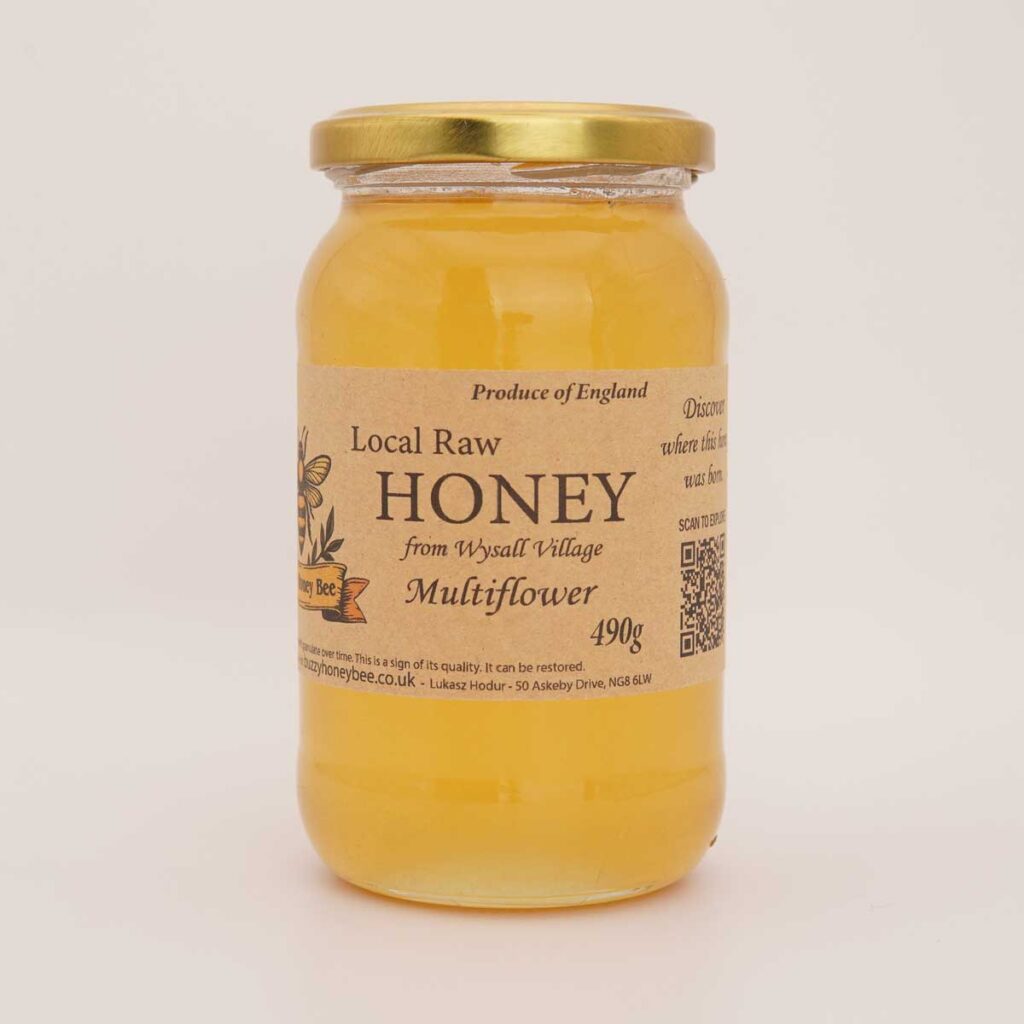
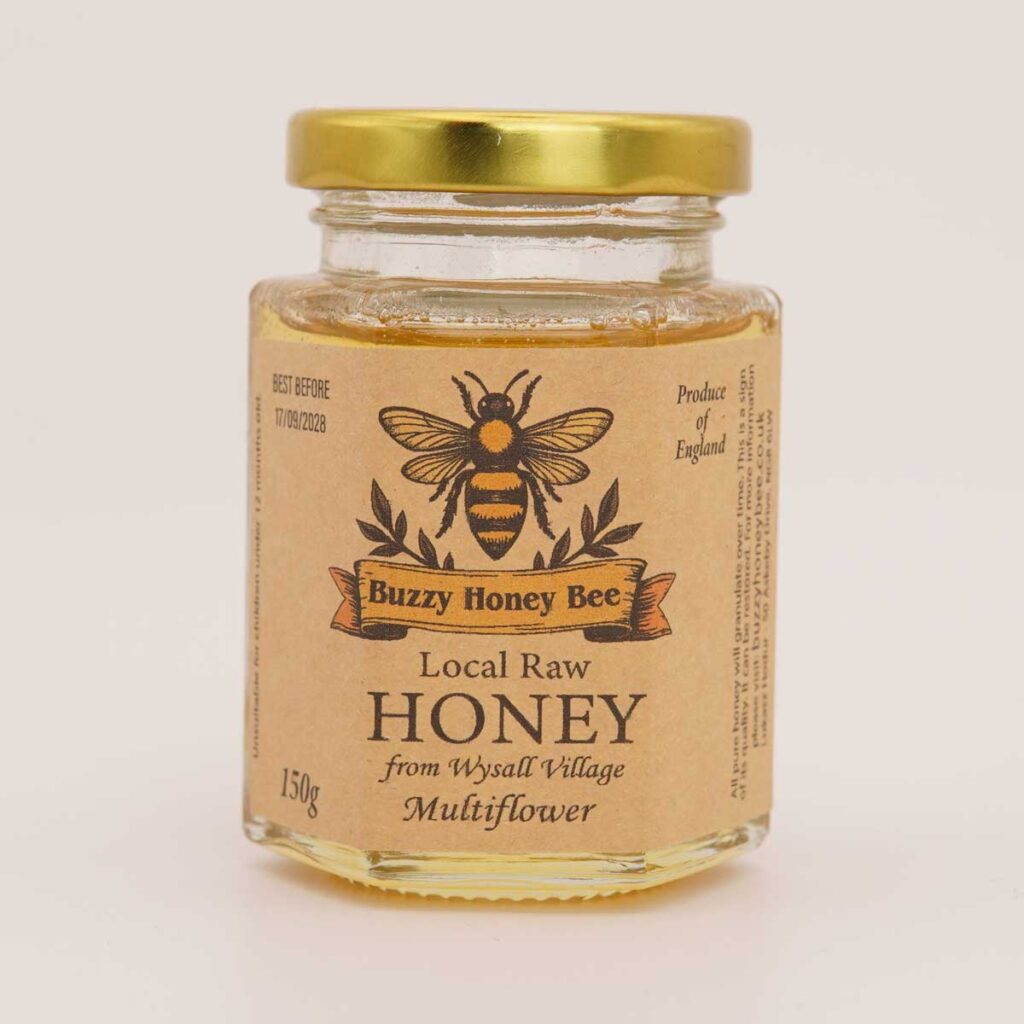
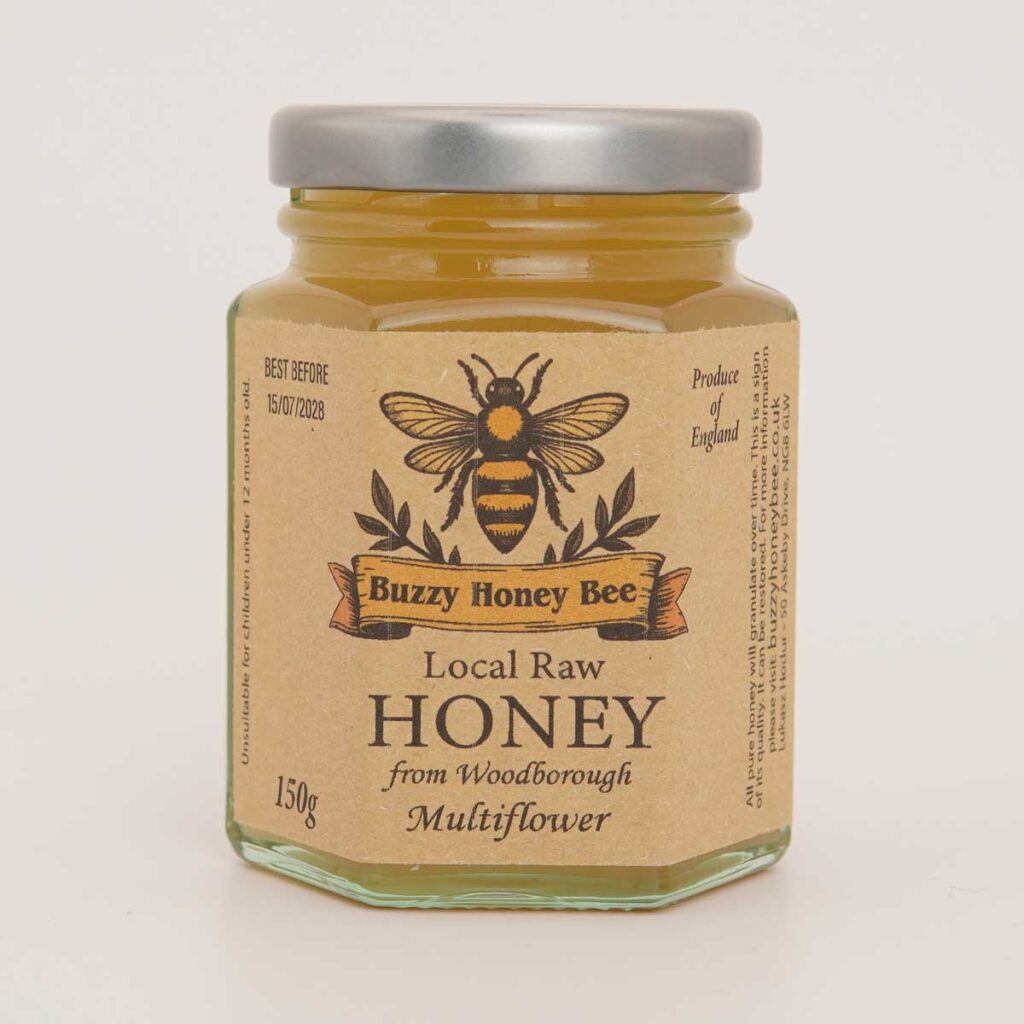
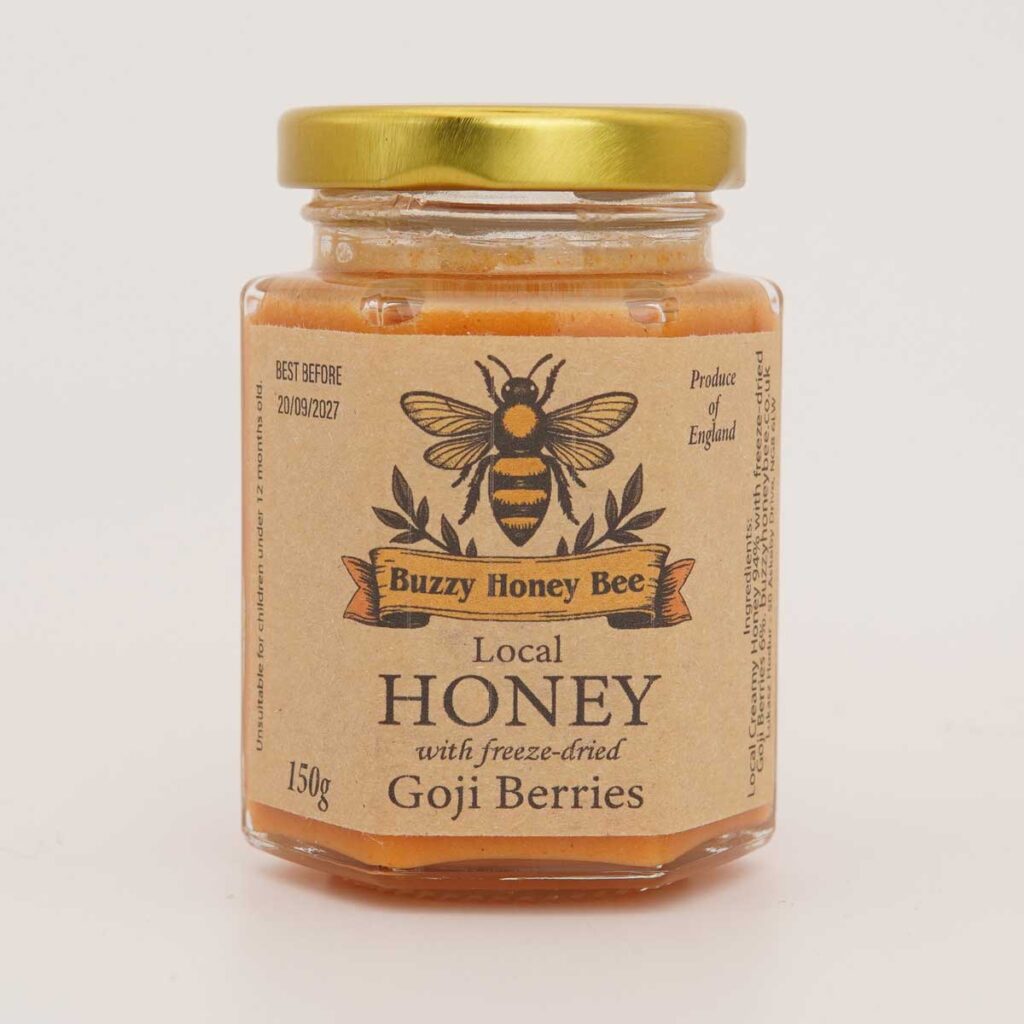
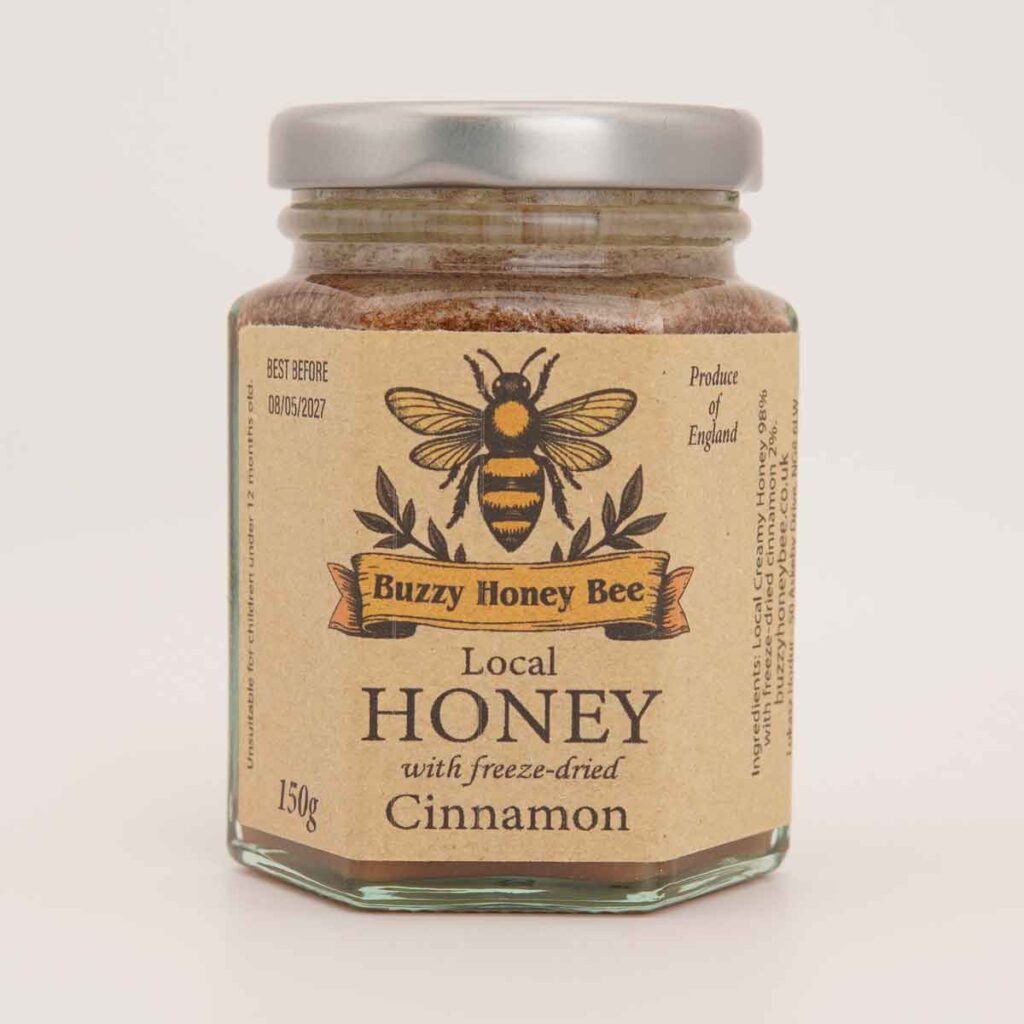
At Buzzy Honey Bee we produce small-batch raw honey from our own apiaries around Nottingham and Derby. Our Raw Multiflower Honey and Creamed Honey with Bee Pollen are customer favourites during allergy season.
Many of our regulars tell us they notice a difference within a couple of weeks of daily use. Why not give it a go this season?
FAQ – Honey for Hay Fever
1. How much honey should I eat for hay fever?
Most people start with 1–2 teaspoons daily. Consistency is more important than large amounts.
2. Does local honey really work for allergies?
Many report benefits, though scientific evidence is mixed. The anti-inflammatory properties alone make it worth trying.
3. When should I start taking honey for hay fever?
Ideally 4–6 weeks before pollen season begins for best results.
4. Is raw honey better than regular honey for allergies?
Yes – raw retains pollen and enzymes that processed honey loses.
5. Can children use honey for hay fever?
Only over 1 year old, and always check with a doctor first.
6. What type of honey is best for hay fever in the UK?
Multifloral raw honey from local beekeepers in your region.
7. Will honey replace my antihistamines?
It can complement them beautifully, but don’t stop prescribed medication without medical advice.
8. Does creamed honey work as well?
Absolutely – our creamed versions are easier to spread and equally raw.
Conclusion – Is Honey Worth Trying for Hay Fever?
While honey may not be a complete cure, high-quality raw local honey offers a tasty, natural way to support your body through the challenging pollen months. Its soothing, anti-inflammatory qualities plus the potential desensitising effect of local pollen make it a lovely addition to any spring wellness plan.
If you’re in the Nottingham, Derby, or surrounding areas, why not try a jar from Buzzy Honey Bee? Many of our customers say it’s become their favourite part of managing hay fever naturally.
Ready to give it a go? Browse our raw honey collection today and see how much more comfortable this season can feel.
Updated May 2026 – Fresh advice for the current pollen season.
Sources / Further Reading
- Studies on honey and allergic rhinitis (PMC articles)
- NHS and allergy guidance
- Our own customer feedback and beekeeping experience
Other helpful Knowledge Hub articles:
Enjoyed this article? If you’d like to support more honest writing about bees and local honey, you can buy me a coffee here:
Buy Me a Coffee – Buzzy Honey Bee
Your support also helps me continue working with the bees and offering free bee swarm collection.
Of course, the best way to support this small apiary is still by choosing one of the products below.