If you’ve ever stood in the supermarket aisle staring at rows of golden jars and wondered whether what you’re buying is actually real honey, you’re not alone. Plenty of people across the UK ask the same question. Recent investigations have shown that a significant amount of honey on shop shelves fails basic authenticity checks, while honey from small, local beekeepers consistently comes back clear.
The good news is you don’t need a laboratory to make better choices. With a little knowledge about labels, texture and origin, you can spot genuine honey with far more confidence. In this guide, I’ll explain exactly how to tell if honey is real, why so much of what’s sold isn’t, and what makes properly traceable honey from Nottinghamshire and Derbyshire apiaries stand out.
By the end, you’ll know what to look for on a label, which home checks are genuinely useful, and why honey with a clear, documented story behind it is worth seeking out.
Why There’s So Much Talk About Fake Honey in the UK
Honey authenticity has been in the news again recently. Tests commissioned by UK beekeepers found that a large proportion of supermarket and retailer samples showed signs of adulteration, often with added sugar syrups. In contrast, samples from genuine small-scale UK beekeepers almost always passed the same checks.
The issue usually arises with heavily blended or imported honey. These products can be mixed with cheaper syrups, making them look and taste vaguely like honey while falling short of the real thing. Labelling rules still allow vague phrases such as “a blend of EU and non-EU honeys”, which tells you very little about what’s actually inside the jar.
That’s why more people are now actively looking for ways to tell if honey is real before they buy.
What Actually Makes Honey “Real”?
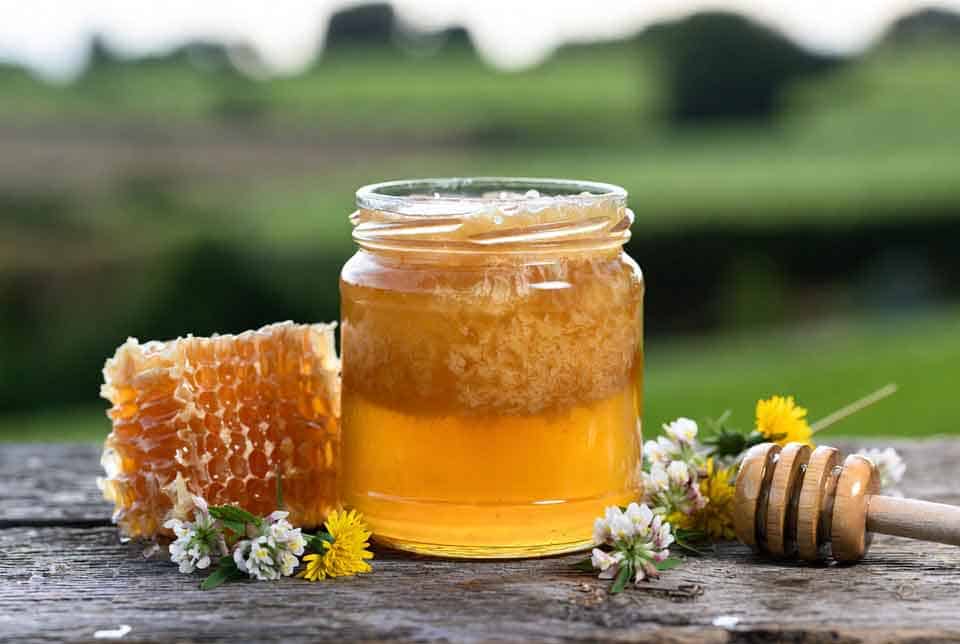
Real honey is what bees produce from flower nectar — nothing added afterwards and very little taken away except wax and debris during basic straining. It contains natural enzymes and pollen, and it has a depth of flavour and texture that heavily processed products simply don’t match.
The main differences usually show up in three areas:
- Clear traceability — can you find out exactly where it came from and when it was harvested?
- Minimal processing — has it been heavily filtered, pasteurised or mixed with other ingredients?
- Natural behaviour — does it crystallise over time? Does it have a proper thickness and aroma?
If a jar gives you almost no information about its origins or tastes oddly flat and one-dimensional, that’s worth paying attention to.
How to Read Honey Labels Like a Pro
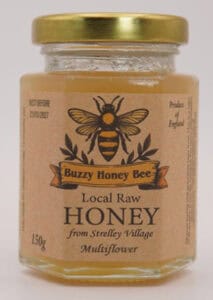
This is the most practical place to start.
Look for a clear statement of origin. “Product of the UK” is helpful, but even better is the name of a specific county or village. Vague wording like “blend of honeys” or “packed in the UK” often points to honey that has travelled far and been mixed along the way.
Check the ingredients. It should say just one word: honey. Anything else is a warning sign.
Price can also be revealing. Producing proper honey is seasonal and labour-intensive. When a large jar is sold at a price that seems too good to be true, it’s worth asking what’s really inside.
Simple Home Tests for Honey Authenticity (And Their Limitations)
You’ve probably seen the water test, thumb test or flame test online. Some of these can give rough clues, but they’re not completely reliable on their own.
The most useful everyday indicator is crystallisation. Real raw honey naturally crystallises over time, especially in cooler weather. If a jar stays perfectly liquid for years, it may have been heavily processed. Crystallisation itself is a positive sign, not a problem.
Texture and aroma also help. Genuine honey is usually thicker and moves more slowly. It often carries a pleasant floral or herbal scent that develops as you taste it. Heavily processed honey can taste flat and overly sweet with little aroma.
Other popular tests can be affected by temperature and the natural differences between honey types, so treat them as supporting clues rather than definitive proof.
Why Traceable Honey from Nottinghamshire and Derbyshire Apiaries Stands Out
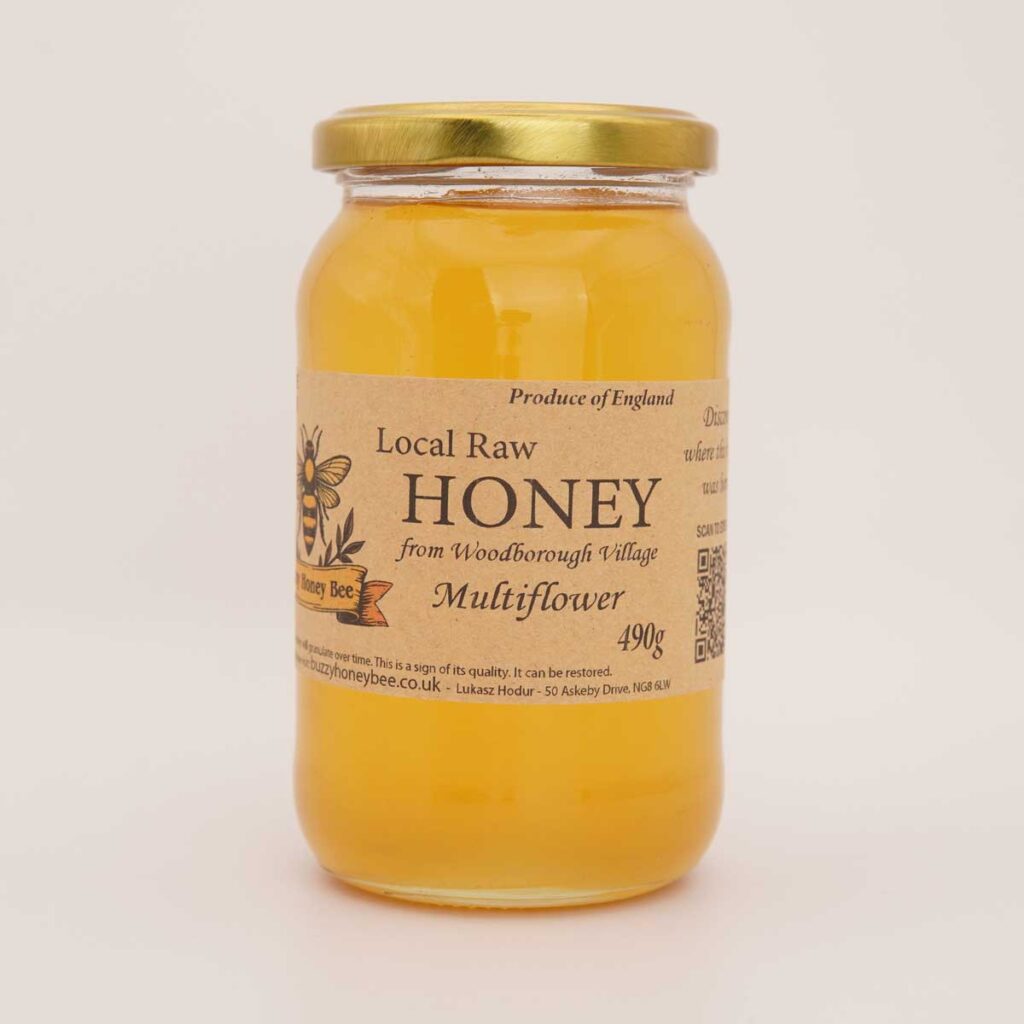
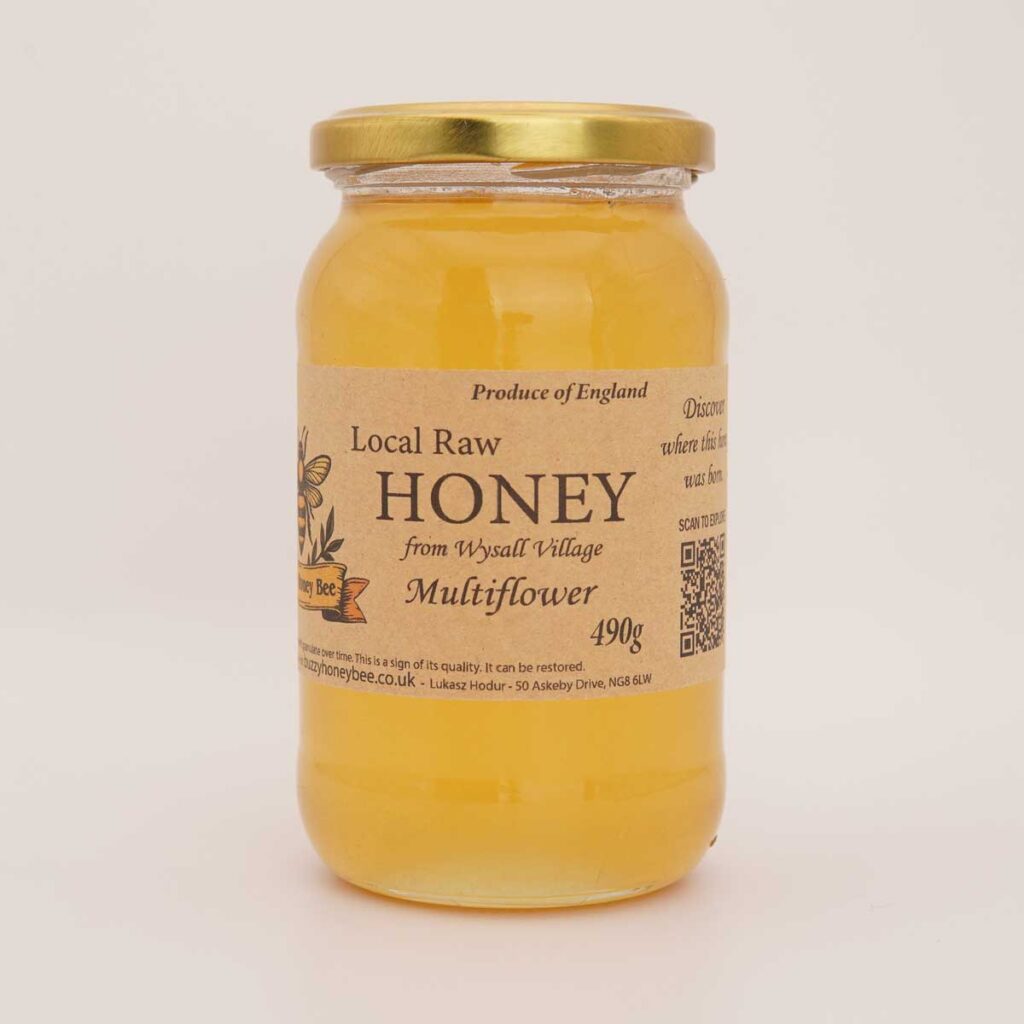
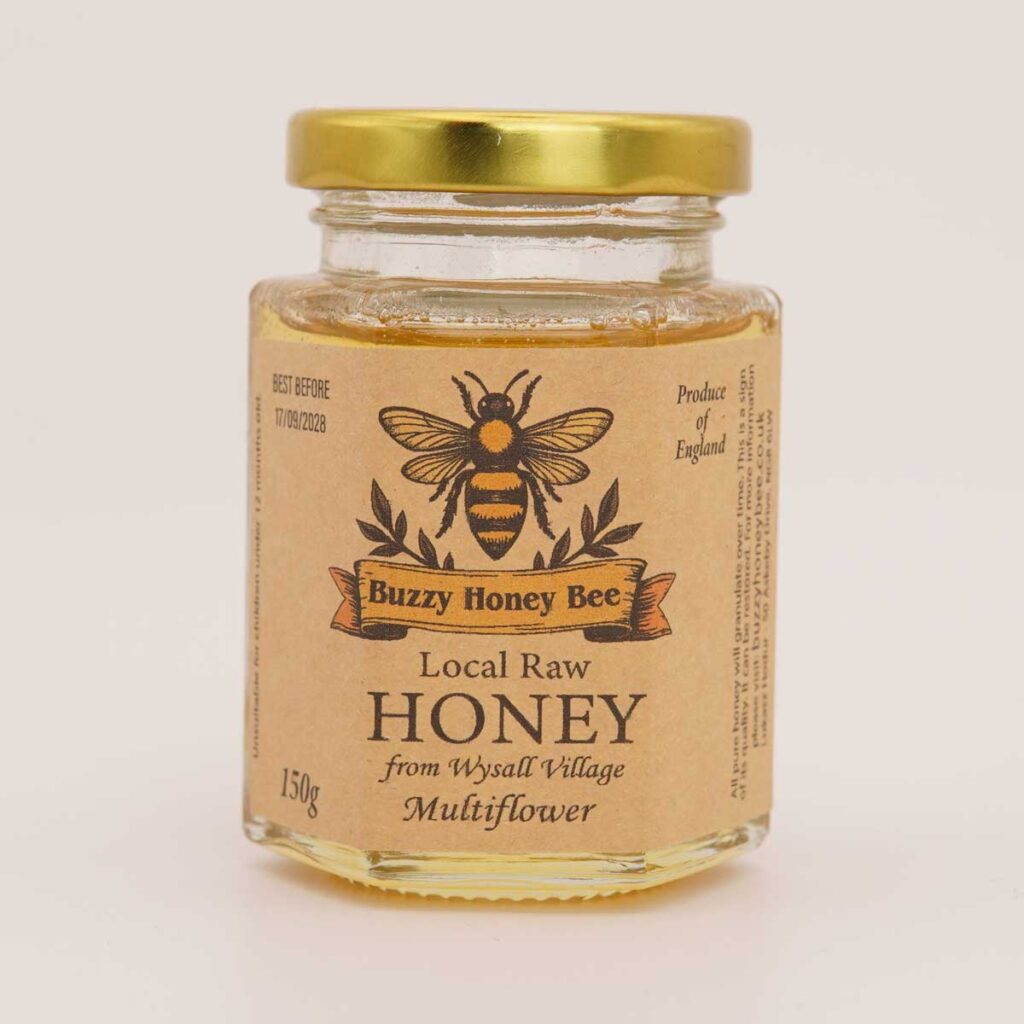
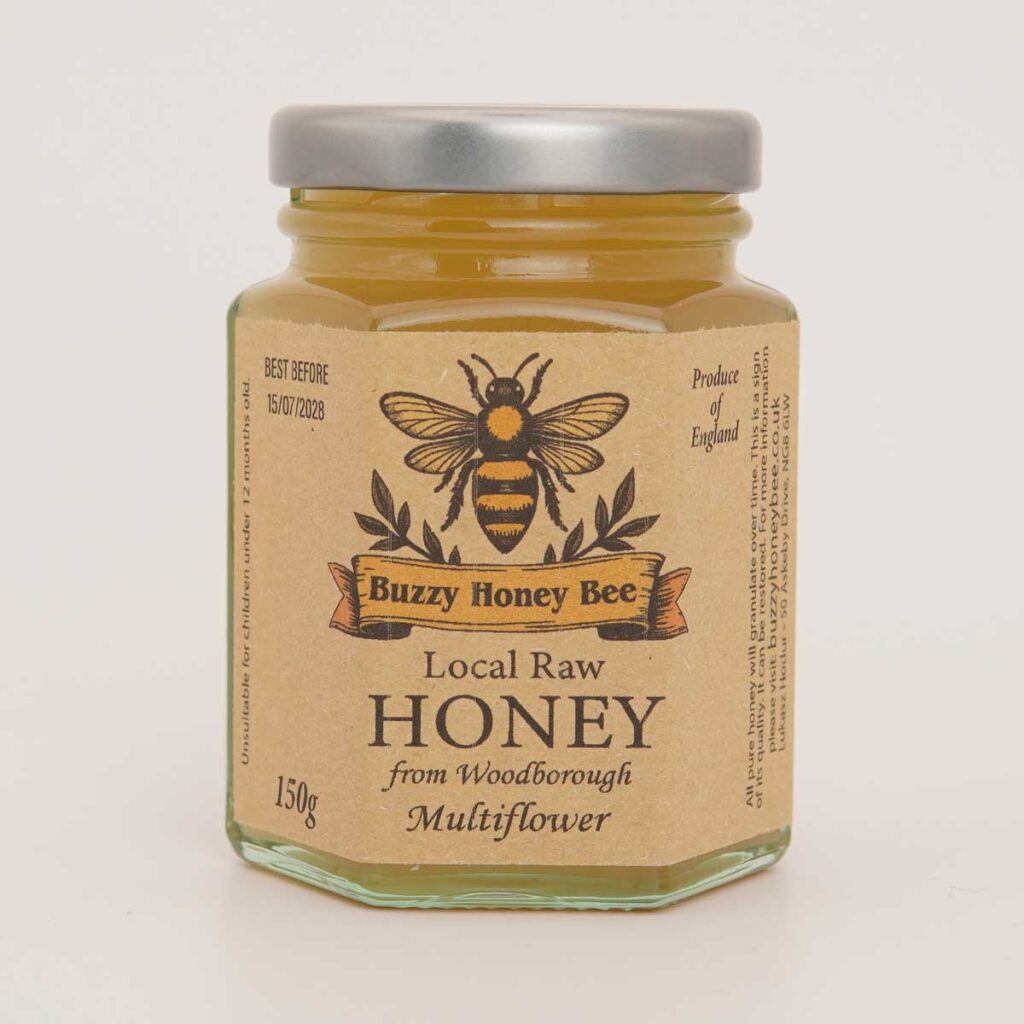
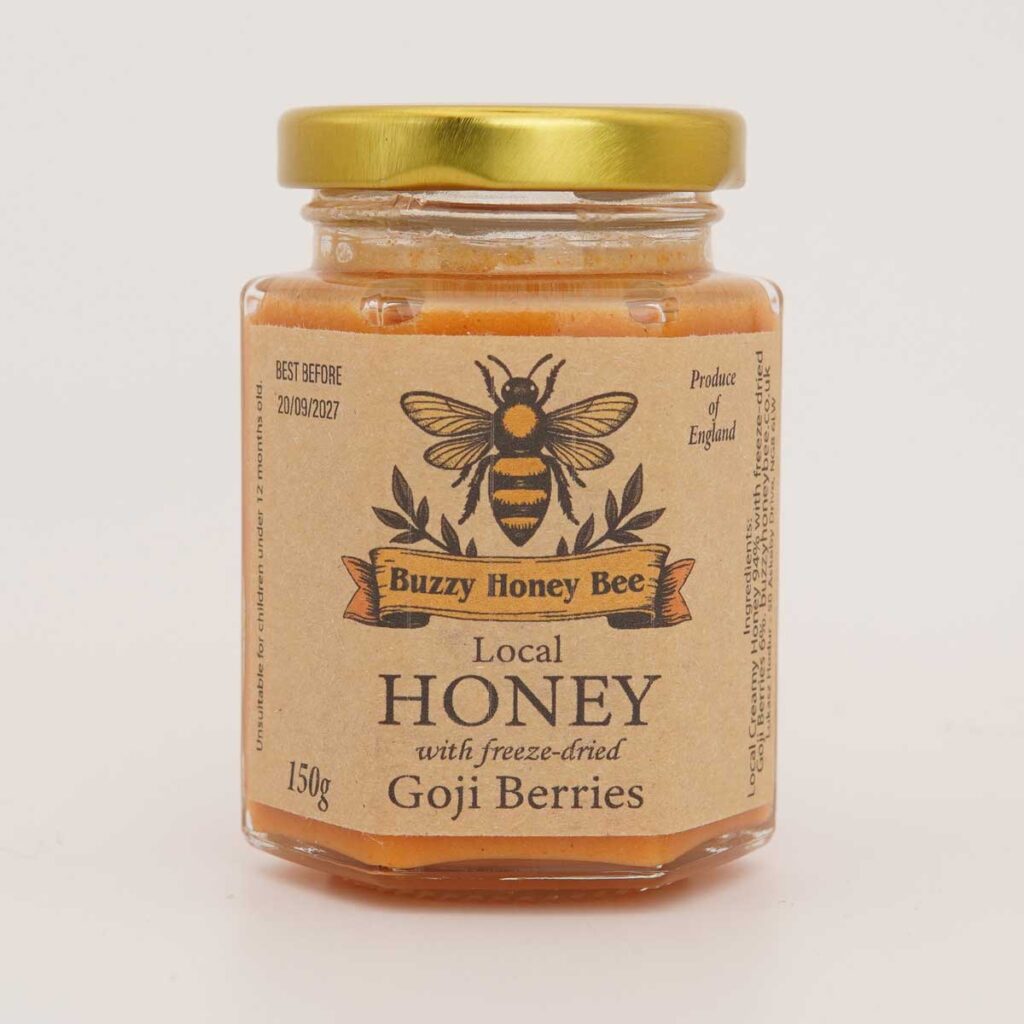
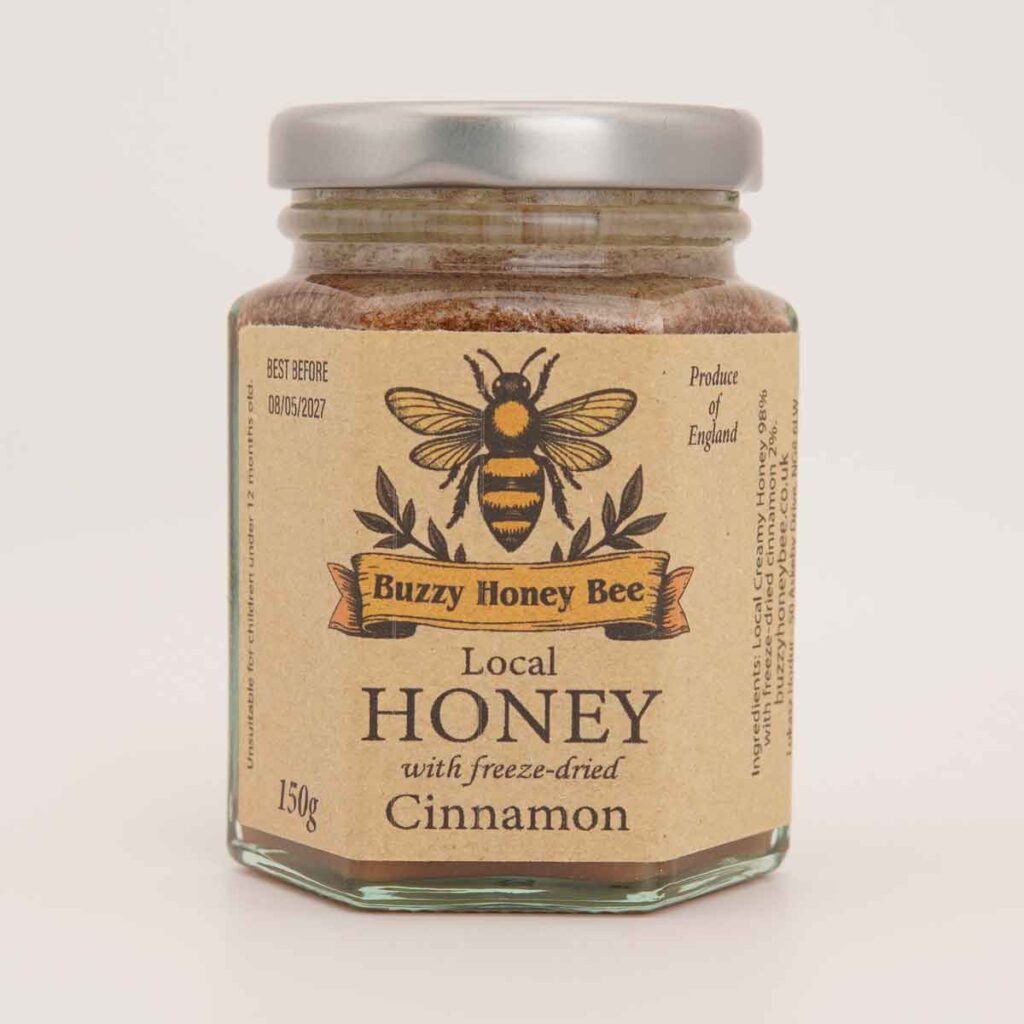
When honey comes from a small local operation with proper records, you can usually find out far more about it. At Buzzy Honey Bee, every jar is labelled with the village name and the Best Before date. Using the Best Before date, you can visit our dedicated page to see exactly when that batch was harvested, view photographs of the flowers and fields, and read the full story behind it.
This level of transparency — specific village names, documented harvest dates, and public records you can check yourself — gives you a clear picture of where your honey actually came from. It also means the flavour reflects the real countryside around Nottingham and Derbyshire, depending on what was blooming at the time.
No large-scale blending across different countries. No unnecessary processing. Just honey from known local apiaries with full traceability.
Want to see the traceability details for yourself? Visit Buzzy Honey Bee’s Where My Honey Comes From page to explore the villages and harvest information.
How Buzzy Honey Bee Keeps Traceability Clear on Every Jar
At Buzzy Honey Bee we keep detailed records of every harvest from our apiaries across Nottinghamshire and Derbyshire. Villages include areas such as Wysall, Strelley, Oakwood, Whatton, Woodthrow and Arnold. Each jar carries the village name and harvest date on the label so you can match it to the records.
Customers can then go to the traceability page and see the story, the forage, and photographs from that specific time and place. It’s a straightforward way to know exactly what you’re buying.
This detailed village-by-village and date-by-date approach is something we’ve made a core part of how we present our honey. It gives you confidence that you’re getting properly documented, locally produced honey rather than an anonymous blend.
The Benefits of Choosing Properly Traceable Local Honey
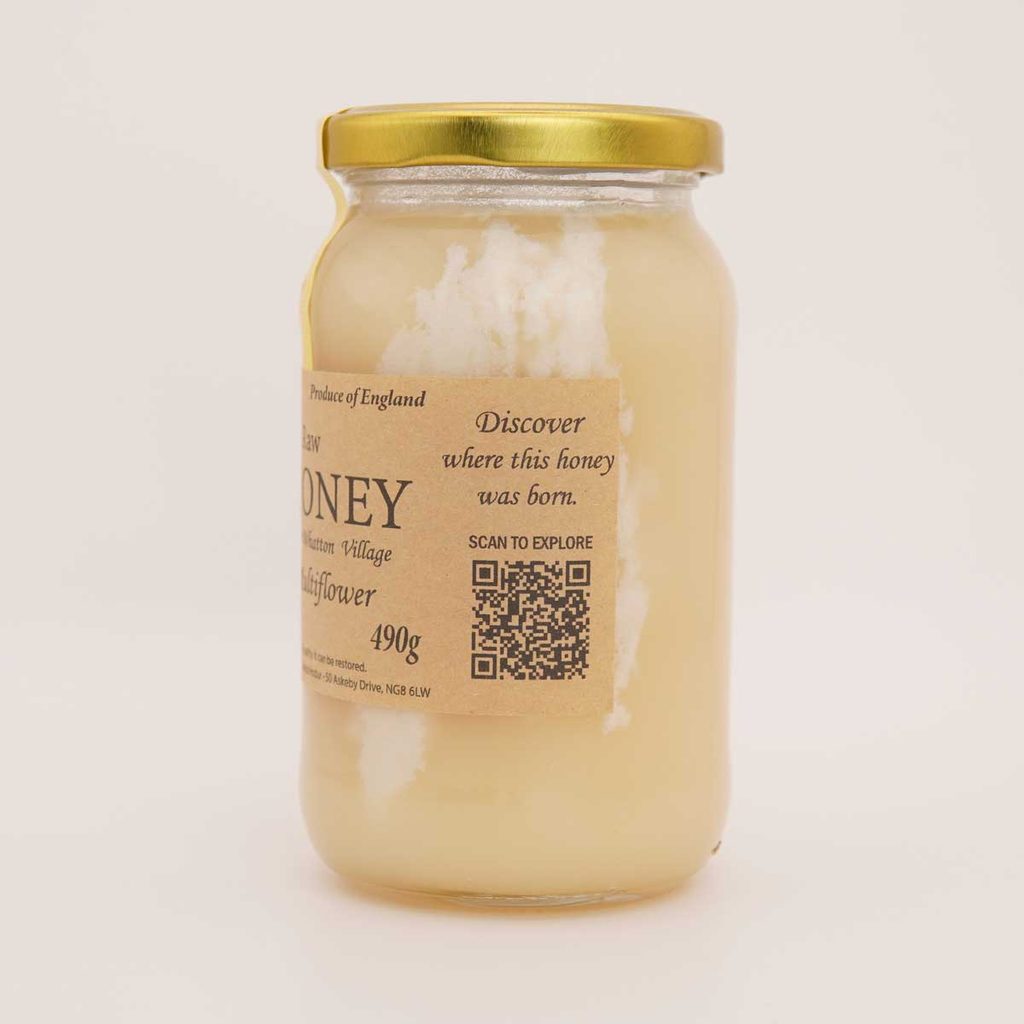
Beyond knowing, it’s genuine, honey with clear local origins simply offers more character. Because it comes from specific areas and seasons, the flavour can very gently with the countryside — sometimes lighter, sometimes richer — reflecting what the bees were actually foraging on.
When you choose honey from a named beekeeper who publishes harvest details, you’re also supporting British beekeeping and the pollinators that keep our local landscapes healthy.
Discover Traceable Local Honeys from Buzzy Honey Bee’s Apiaries
Buzzy Honey Bee offers a range of raw honeys harvested from apiaries in villages across Nottinghamshire and Derbyshire. Every batch carries the same full traceability — village name and harvest date on the label, with the full story available on the dedicated page. We also produce creamed versions and options blended with real freeze-dried fruit, all made with the same attention to origin and minimal processing. You can explore the full selection and choose the size and style that suits you.
Browse the complete range here: Local Honey from Nottinghamshire & Derbyshire
For the full traceability details behind each batch, visit: Where My Honey Comes From
FAQ – Common Questions About Real Honey
How can I tell if honey is real or fake?
Start with the label. Look for a clear UK origin and, ideally, a specific village or county. Real raw honey is usually thicker and will often crystallise naturally over time.
Does crystallised honey mean it’s gone bad?
No — the opposite. Natural crystallisation is a normal process in real raw honey and a positive sign that it hasn’t been overly processed.
Is most supermarket honey real?
Not always. Recent tests have shown that a significant proportion of blended or imported supermarket honey fails authenticity checks. Local honey with proper traceability is generally a much safer choice.
What does “raw” actually mean?
Raw honey hasn’t been pasteurised or heavily filtered. It still contains its natural enzymes and pollen. Because the term isn’t strictly regulated, traceability and origin details matter more than the word alone.
Why is traceable honey from Nottinghamshire and Derbyshire worth choosing?
You can see exactly which village it came from and when it was harvested. The flavour reflects the real local countryside rather than a large anonymous blend.
Can home tests prove honey is pure?
They can give useful clues, especially crystallisation and texture, but they’re not 100% conclusive on their own. The strongest reassurance comes from buying from a beekeeper who offers clear, checkable traceability.
What should I look for on the label?
Clear origin, minimal ingredients (just “honey”), and ideally a batch or harvest date you can trace back to a specific place.
How should I store real honey?
Keep it in a cool, dark place with the lid tightly closed. Avoid the fridge, as this can speed up natural crystallisation (which is harmless and doesn’t affect quality).
Does “packed in the UK” mean British honey?
No. It tells you where it was packed. The harvest can be elsewhere.
Is a Union Jack on the lid enough?
No. Read the origin line and the producer address.
Is “Produce of the UK” the same as local?
No. It is British harvest. Local still needs a place you can name. Definition: what is local honey.
Can a kitchen test prove the jar is local?
No. Those tests measure thickness that day. They do not name a village.
Final Thoughts – Choose Honey with a Clear Story
Knowing how to tell if honey is real UK doesn’t need to be complicated. Focus on origin, traceability and honest labelling. When you can see the exact village and season a jar came from, you’re almost certainly looking at genuine honey.
At Buzzy Honey Bee we make that information easy to find. Every jar is labelled with the village and harvest details, and the full story is available on our traceability page for anyone who wants to check.
Ready to explore properly documented local honey? Visit Buzzy Honey Bee’s range of traceable honeys from Nottinghamshire and Derbyshire apiaries and find the jar that’s right for you.
Enjoyed this article? If you’d like to support more honest writing about bees and local honey, you can buy me a coffee here:
Buy Me a Coffee – Buzzy Honey Bee
Your support also helps me continue working with the bees and offering free bee swarm collection.
Of course, the best way to support this small apiary is still by choosing one of the products below.