You’ve picked honey. Now the spreadsheet starts. How many honey wedding favours do you actually need? One per guest? One per household? Extra for the top table? A box left over “just in case”?
Most couples over-order a little, or under-order and then scramble the week before. The useful number is not the same as the RSVP count. It depends on how you put the jars on the table, who you count as a guest, and whether anyone is taking a jar home for two people.
This guide walks through that sum in plain numbers. It is written for UK weddings using small guest jars. The aim is a figure you can send to a maker without guessing.
The short answer
Start with confirmed adult guests. Add 10 percent. That is the working number for a jar on every place setting.
If the jars sit on a side table and guests help themselves, you can order closer to the adult count and skip some of the spare. If children have their own setting, decide whether they get a jar at all. Honey is not recommended for babies under 12 months.
A 50 g jar is the usual guest size. That is enough for toast the next morning. It is not a family pot.
Count guests, not invitations
Invitations are the wrong starting point. People decline. Plus-ones arrive. A household of four may only want two jars if you put favours in a basket by the door.
Use the latest catering number, not the original save-the-date list. Caterers already work from heads to feed. Favours should follow the same list, then you adjust for how the jar is given.
One jar per place setting
This is the tidy version. Every adult seat has a jar. It photographs well. Nobody has to remember to pick one up on the way out.
Order: confirmed adult guests + 10 percent.
The spare covers a last-minute extra place, a broken lid in the box, and the two jars that vanish into a pocket before dinner. You will not regret ten extras on a hundred-person day. You will regret being three short.
One jar per household
This saves money. It also needs a plan, or two people at the same table will both expect a jar and one will leave empty-handed.
It works when favours live on a labelled table, not on the plate. A small card helps: “One jar per couple, please — extras for anyone travelling alone.” Without that line, guests take one each anyway and you are back to the higher number with worse feeling.
Children and babies
School-age children can have a jar if you want the table to look the same all the way down. Many couples skip under-elevens and put the money into adult jars or the top table.
A party bag for a baby is better without a jar. Honey is not recommended under 12 months, so skip those seats when you count favours.
How many honey wedding favours for common guest lists
These figures assume a 50 g jar on each adult place, plus 10 percent spare. They are a planning grid, not a quote.
| Adult guests | Jars to order | Plain honey @ £3 | Fruit / creamed @ £3.25 |
|---|---|---|---|
| 20 | 22 | £66 | £71.50 |
| 40 | 44 | £132 | £143 |
| 60 | 66 | £198 | £214.50 |
| 80 | 88 | £264 | £286 |
| 100 | 110 | £330 | £357.50 |
| 120 | 132 | £396 | £429 |
| 150 | 165 | £495 | £536.25 |
Prices follow current guest-jar rates for a 50 g personalised jar: £3 plain, £3.25 creamed or fruit. Larger jars, candles and gift boxes are separate. Minimum order is usually 10 jars.
If your day is 78 adults, do not order 78. Order 86. The extra eight cost less than a rushed second batch, and they sit happily in a cupboard if unused.
Where the 10 percent actually goes
Couples ask why they cannot order the exact headcount. Four things eat the spare, every time.
- A lid dints in the crate. You do not put that jar on the top table.
- Someone brings a child who was not on the sheet.
- A parent wants a second jar “for Gran, she couldn’t come”.
- You keep two as a memento. That is allowed. It is your honey.
If you are fiercely tight on budget, cut the spare to 5 percent and accept that the last table might go without. Do not cut below the number of adult seats if the jar is on the plate. An empty setting is more obvious than an extra box in the kitchen.
Jar size changes the count
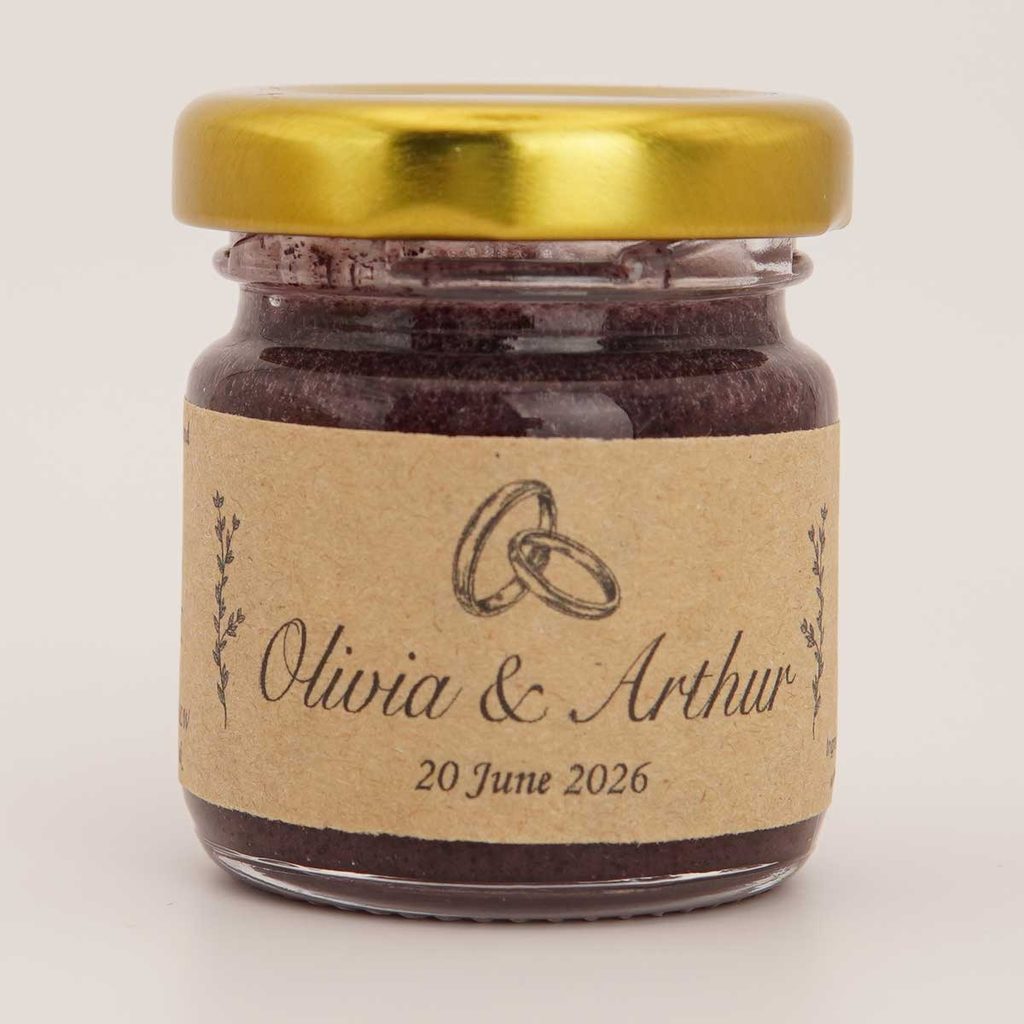
A 50 g guest jar is one portion. People take it home. They do not share it down the table.
A larger jar for fewer people is a different job. Some couples put a small jar on every seat and a proper jar, or a small set, on the top table. That is not “more favours”. It is two lines on the order: guest count at 50 g, then a handful of larger jars for the people you want to thank properly.
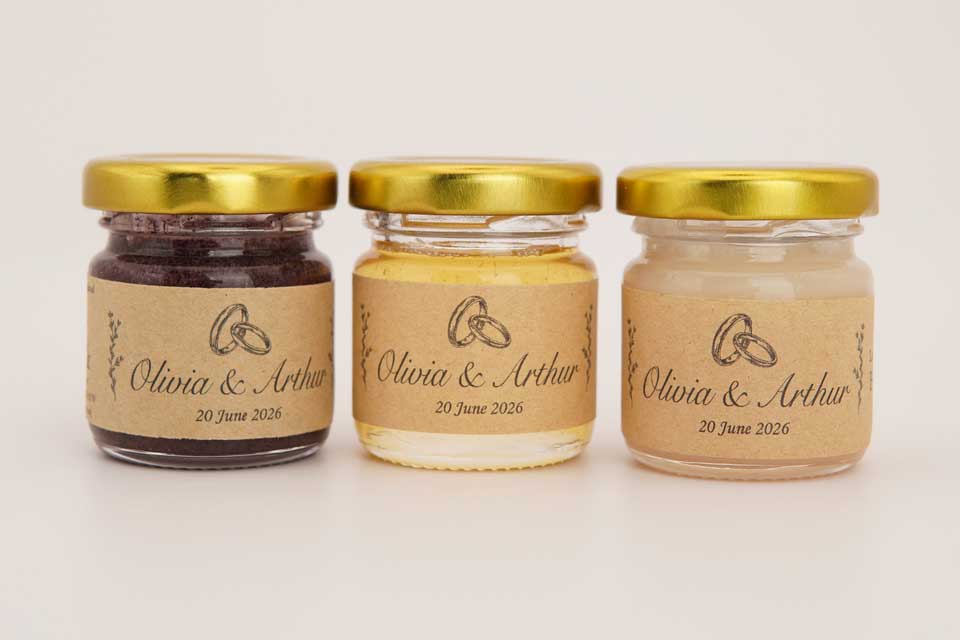
If you are ordering the small guest jar from a maker who bottles raw honey, say the date and the number in the same message. The page for honey wedding favours is set up for that conversation — jar size, names on the label, and whether the room and the top table get the same thing.
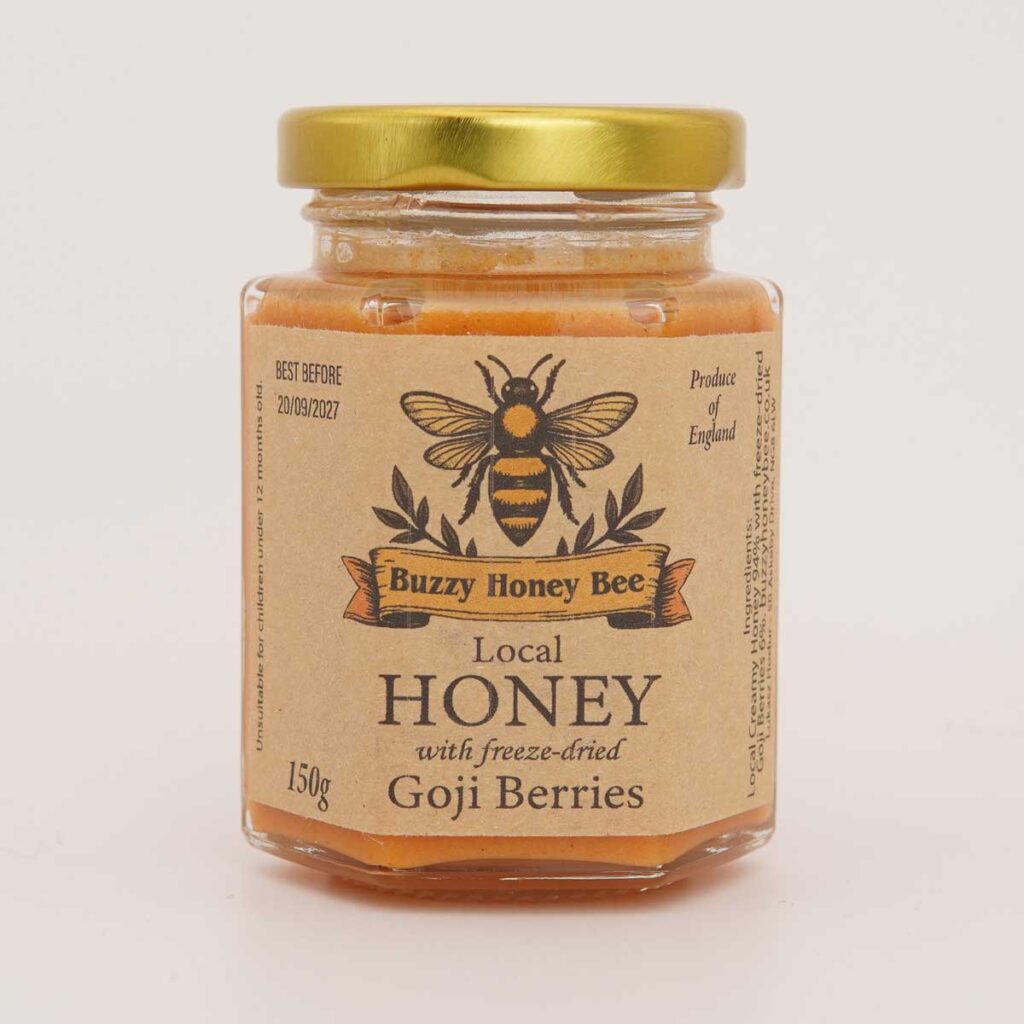
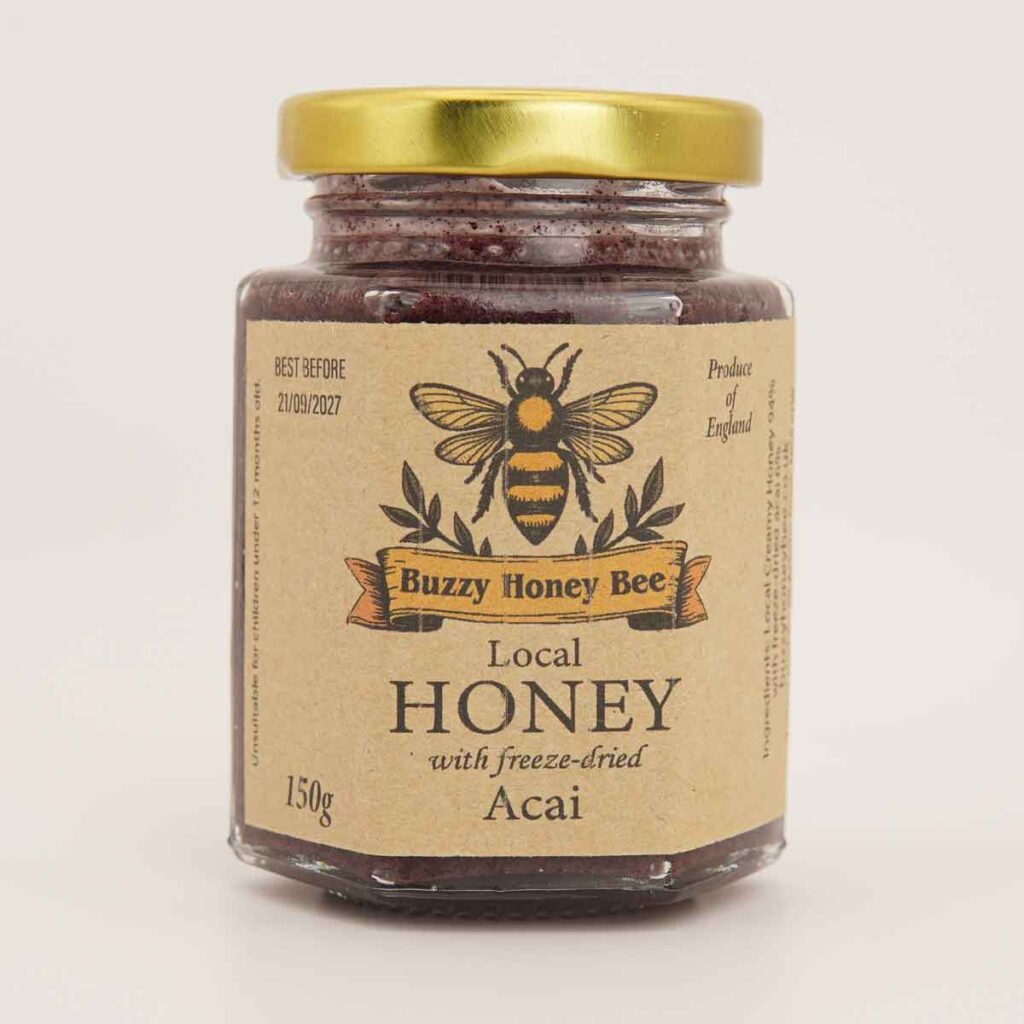
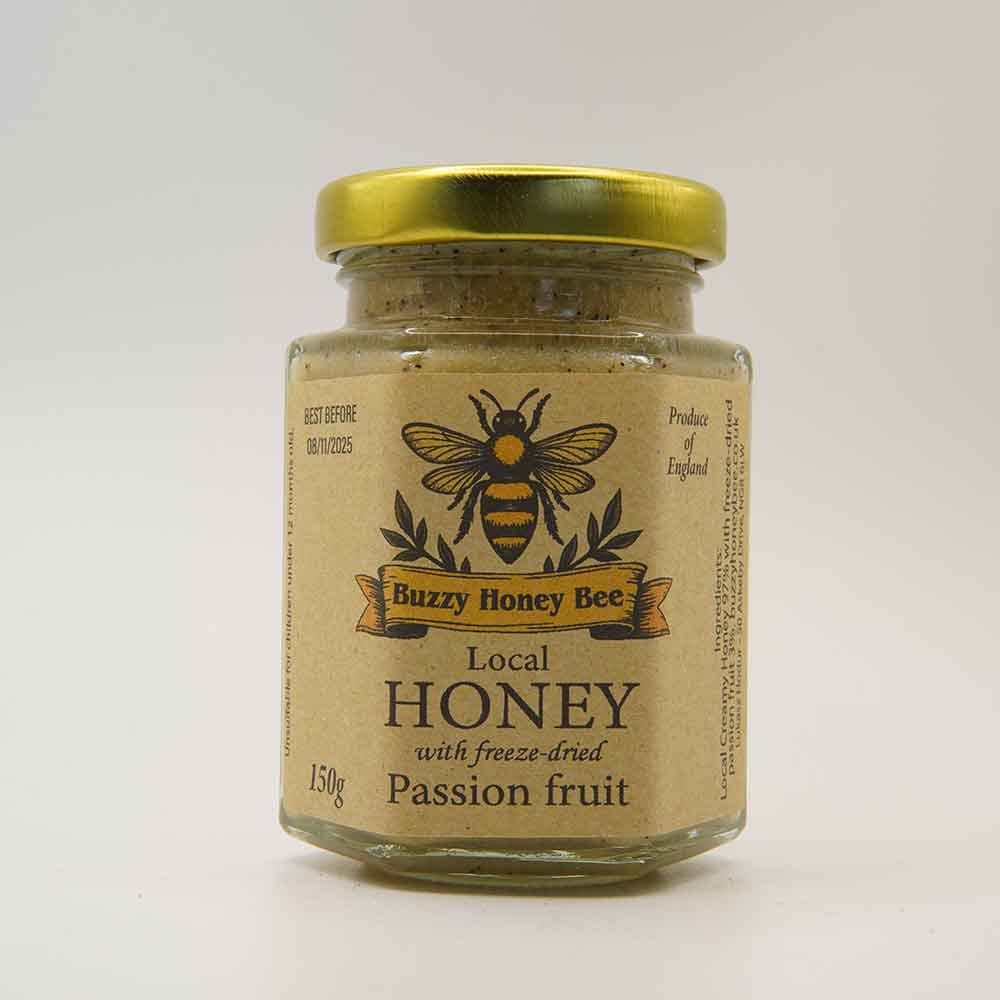
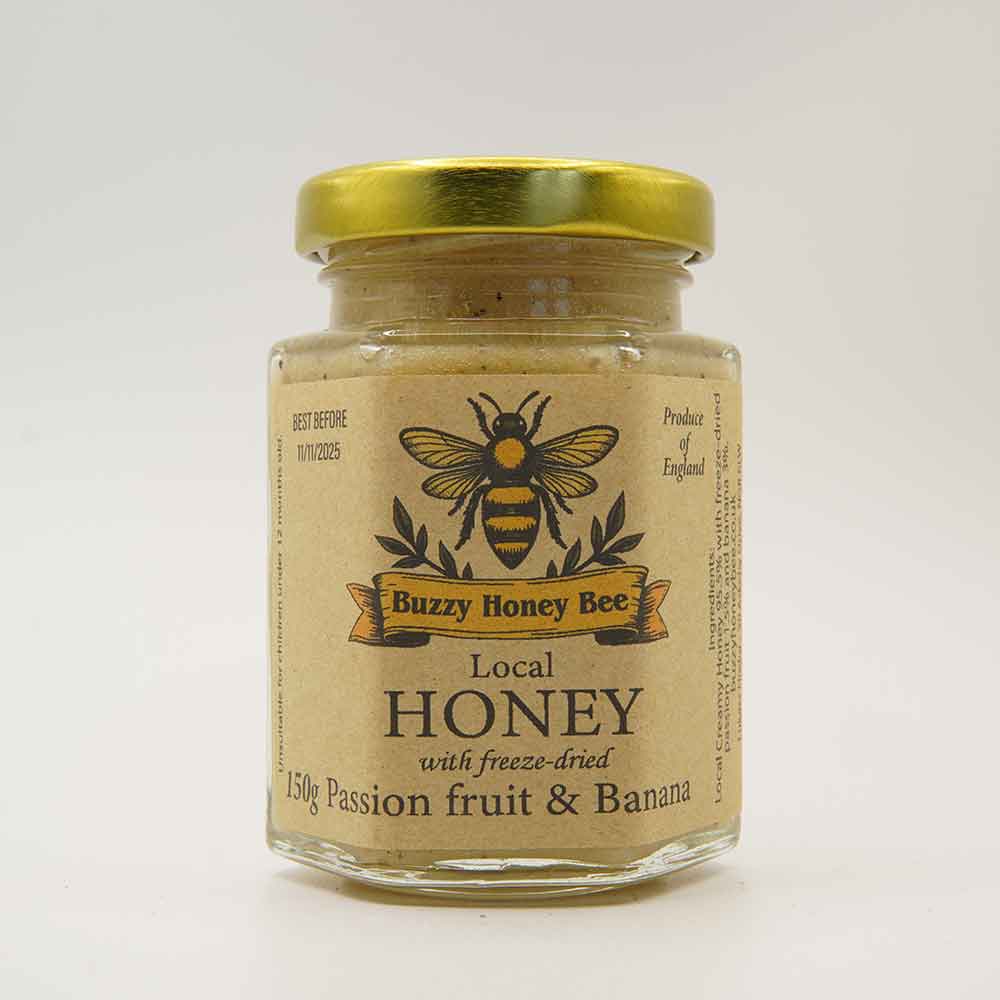
Fruit honey and creamed honey cost a little more per jar. They are useful when you want the top table to feel different without changing the shape of the favour.
Will the honey still be good after the wedding?
Yes, if it is raw honey and the lid stays on. A guest who takes a 50 g jar home is not working against a short use-by date. The date on the label is a best-before date. Flavour is brightest when the honey is younger. Safety is not the worry.
Raw honey often sets in the jar. That is normal. It has not gone off. If a guest has only ever bought supermarket honey that stays runny, a short line on a card is enough: raw honey often sets; warm the jar in water if you want it loose. The longer explanation is here: what set honey is and how to store set honey.
That matters for the count because you do not need a “freshness buffer” of extra jars beyond the 10 percent. You need spare jars for people, not for spoilage.
A split order often beats one number
You do not have to give every chair the same thing. A common split looks like this.
- Adult guests: 50 g plain honey, personalised label.
- Top table and close family: the same jar, or fruit honey, or a small set with a candle.
- Helpers who are not sitting down: two or three spare jars in the kitchen, not a full extra table.
Write those three lines before you ask for a price. A maker can pack from that. A single headline number — “about 80” — produces either too many fruit jars or not enough plain ones. If you have not yet chosen the object, read what makes a unique wedding favour first. This page is only the count.
When to lock the number
Six to eight weeks before the day is comfortable. By then most RSVPs are in, the seating draft exists, and there is time to print names and a date without a Friday-night panic.
If the date is closer, order from what is already bottled and keep the label simple. Do not wait for the final decline from a cousin in Australia if that email always arrives in the last ten days. Use the catering figure you have, add 10 percent, and stop.
A minimum order of 10 jars is a normal floor for a personalised run. A twenty-person lunch still works. A table of six is usually better as a couple of larger jars than a tiny personalised batch.
What not to do with the number
- Do not copy the invitation count and call it done.
- Do not order one jar per name on the family WhatsApp.
- Do not add 30 percent “because honey keeps”. It keeps. You still have to store 40 extra jars.
- Do not put a jar on a high chair and call it a favour.
The number is a seating plan problem with a lid on it. Treat it like plates, not like flowers.
A worked example
Saturday lunch. 92 adult guests on the caterer’s list. 11 children, two of them under one. Favours on the place setting. Top table of eight should feel a bit more looked-after.
Adult place jars: 92 + 10 percent = 102. You can round to 100 if you will not keep souvenirs, or to 105 if you want two left for the house.
Children: skip the two infants. Decide on the other nine. If the table must look even, add nine. If not, add none.
Top table: eight guest jars already sit there. Add eight fruit jars only if you want a second pot at each of those seats. Most people do not. They upgrade those eight to fruit instead of plain, and the count stays 102.
Message to the maker: date, 102 jars at 50 g, eight of those fruit, the rest plain, names and date for the label, delivery the week before.
Frequently asked questions
How many honey wedding favours do I need for 100 guests?
If the jar sits on each adult place, order about 110. That is 100 plus 10 percent. Drop the spare only if guests collect jars from a table and you are willing to run out.
Do plus-ones get a jar?
Yes, if they have a seat. Favours follow plates, not the original envelope.
Should I order one per couple?
Only if the jars are on a help-yourself table and a sign says so. On the plate, one per couple looks like you forgot half the room.
Is 50 g enough?
For a favour, yes. It is a breakfast pot, not a cupboard pot. If you want guests to cook with it, that is a larger jar for fewer people.
What if some jars set before the wedding?
That is raw honey doing what raw honey does. It is still the favour. Tell guests once, briefly. Do not reorder a liquid batch unless you specifically asked for runny honey and the maker can still supply it.
Can I mix plain and fruit honey in one order?
Yes. Give two numbers, not one. Fruit and creamed jars are a little more per jar. Keep the guest majority plain if the budget is tight, and put fruit where it will be noticed.
What is the smallest sensible order?
Ten personalised jars is a normal minimum. Below that, a couple of larger jars is usually cleaner than a tiny labelled run.
The number to send
Write three figures on a note before you email anyone: adult seats, spare at 10 percent, and how many of those jars should be fruit or a larger size. That is the whole brief.
How many honey wedding favours you need is not a riddle. It is the catering list, plus a small cushion, minus the babies. Send that. Pack the rest of the day around it.
If you already know the date and the rough headcount, start from the honey wedding favours page and put both numbers in the message. The jar count is the part worth getting right first.
Further reading
Enjoyed this article? If you’d like to support more honest writing about bees and local honey, you can buy me a coffee here:
Buy Me a Coffee – Buzzy Honey Bee
Your support also helps me continue working with the bees and offering free bee swarm collection.
Of course, the best way to support this small apiary is still by choosing one of the products below.